

Why Earplugs Fall Out During Sleep
If you have ever woken up to find your earplugs on the pillow instead of in your ears, you know how frustrating it can be. You went to bed with the intention of blocking out noise and getting a peaceful night, only to discover that your earplugs had other plans. The good news is that this is a very common issue, and there are some simple reasons why it happens and easy ways to fix it.

Common Reasons Earplugs Come Loose
Wrong Size or Shape
Ear canals come in all different sizes and shapes, and a one size fits all approach does not always work. If your earplugs are too small, they will not create a secure seal and can easily work their way out as you move during the night. If they are too large, they may feel uncomfortable and you might unconsciously pull them out in your sleep.
Incorrect Insertion
Many people do not insert their earplugs deeply enough for them to stay in place. Foam earplugs in particular need to be rolled tightly, inserted while compressed, and then allowed to expand inside the ear canal to create a proper seal. If they are only partially inserted, they are much more likely to pop out.
Movement During Sleep
We all move during the night, and side sleepers in particular can find that the pressure of the pillow against the ear gradually pushes earplugs out of position. Jaw movement from grinding or clenching can also contribute to earplugs loosening over time.
Ear Canal Shape
Some people simply have ear canals that are a less typical shape, making it harder for standard earplugs to stay put. If you have consistently struggled with earplugs staying in, the shape of your ear canal may be a factor worth considering.
"I thought earplugs just did not work for me because they always fell out. Then I learned I was not inserting them properly. Once I started rolling them tighter and pushing them in a bit further, they stayed in all night." - Amy S.
How to Keep Your Earplugs in Place
Choose the Right Type
Different earplug types suit different people. Foam earplugs are popular and affordable but may not suit everyone. Silicone earplugs mould to the outer ear and can be a better option for people whose ears do not hold foam well. Wax earplugs are another alternative that conform to the unique shape of your ear canal.
Insert Them Correctly
For foam earplugs, roll the plug between your fingers until it is as thin as possible. Reach over your head with the opposite hand and gently pull your ear upward and outward to straighten the ear canal. Insert the earplug and hold it in place for about 15 seconds while it expands. This technique makes a significant difference to how securely they sit.
Try Different Sizes
Many earplug brands offer different sizes. If standard earplugs feel too big or too small, trying a smaller or larger option can solve the problem entirely. Some brands also offer specific designs for sleep that are slimmer and more comfortable for overnight use.
Consider Sleep Headphones as an Alternative
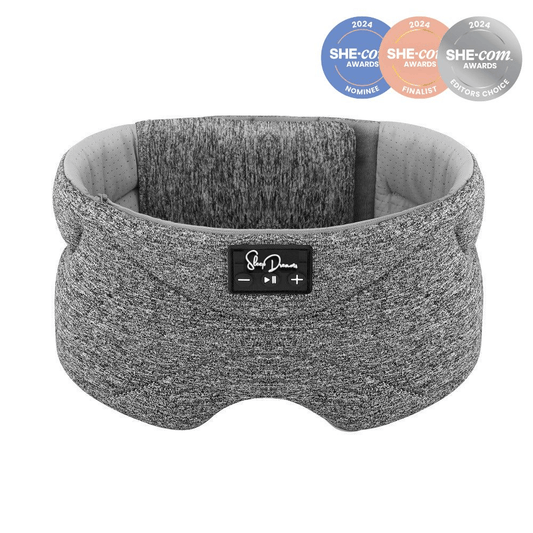
If earplugs consistently do not work for you, sleep headphones can be an excellent alternative. They sit comfortably inside a soft headband and allow you to play white noise, nature sounds, or calming music to mask external noise. Many people find them more comfortable and reliable than earplugs, especially for side sleeping.
"I switched to sleep headphones after years of fighting with earplugs that would not stay in. Being able to listen to rain sounds while blocking out my partner's snoring has been life changing for my sleep." - Rob M.
A Good Night Starts With the Right Fit
Whether you stick with earplugs or explore alternatives, the key is finding something that works for your ears, your sleep position, and your comfort preferences. Noise is one of the most common disruptors of quality sleep, so investing a little time in finding the right solution is well worth it. Quieter nights mean deeper sleep, and deeper sleep means better days. It is a simple equation that makes a real difference to how you feel.