

Is It Safe to Leave a Night Light On All Night?
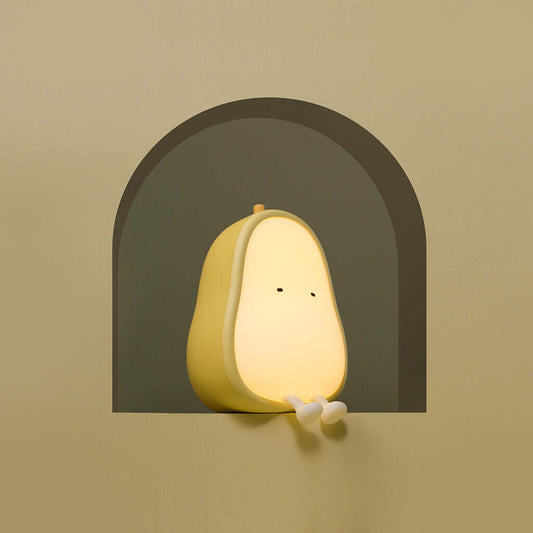
Whether it is for a child who is afraid of the dark, a trip to the bathroom without stubbing your toe, or simply a sense of comfort, night lights are a common feature in Australian bedrooms. But is it actually safe to leave one on all night? And could it be affecting your sleep quality without you realising?
The short answer is that modern LED night lights are generally very safe from an electrical and fire perspective. The more nuanced question is whether the light itself is doing anything to your sleep, and that depends on a few important factors.
Electrical Safety of Night Lights
Modern LED night lights produce very little heat, use minimal electricity, and are designed for continuous use. Unlike older incandescent night lights, which could become warm enough to be a concern near flammable materials, LED options run cool and are far more energy efficient. As long as you are using a night light that meets Australian safety standards and is in good condition, leaving it on overnight is perfectly safe from a fire and electrical standpoint.
That said, it is worth checking your night light periodically for any signs of damage, fraying, or discolouration. Avoid covering it with fabric or placing it too close to curtains, bedding, or other materials that could restrict airflow, even though the risk with LEDs is very low.
How Night Lights Affect Your Sleep
While the safety question is fairly straightforward, the impact on sleep quality is where things get more interesting. Even low levels of light during sleep can influence your body's production of melatonin, the hormone that regulates your sleep-wake cycle.
The Melatonin Connection
Your brain produces melatonin in response to darkness. Even small amounts of light, particularly blue or white light, can suppress melatonin production and make it harder to achieve deep, restorative sleep. Research has shown that sleeping in a room with even dim light exposure can lead to lighter sleep, more frequent awakenings, and reduced time in the most restorative sleep stages.

The Colour of Light Matters
Not all light affects sleep equally. Blue and white light have the strongest impact on melatonin suppression, while warm colours like red, amber, and orange have a much smaller effect. This is why choosing the right colour for your night light is so important if you plan to leave it on overnight. Our guide to night light colours explores this topic in more detail.
Choosing the Best Night Light for Sleep
If you need or want to use a night light, there are ways to minimise its impact on your sleep quality.
Choose a Warm Colour
Red or amber night lights are the best options for sleep. These wavelengths have the least impact on melatonin production and are less likely to disrupt your sleep cycles. Avoid blue, white, or green night lights in the bedroom, as these wavelengths are more stimulating to the brain.
Keep It Dim
The dimmer the light, the better. A night light should provide just enough illumination to navigate safely if you need to get up, not enough to read by. Many modern night lights have adjustable brightness settings, which allow you to find the minimum level that works for you.
Position It Thoughtfully
Place the night light as far from your bed as practical, ideally near the floor or in the hallway rather than on your bedside table. The goal is to have light available for safe navigation without it shining directly toward your face while you sleep.
Consider a Motion-Activated Option
If you only need light when you get up during the night, a motion-activated night light is an excellent compromise. It stays off while you are in bed, keeping your room dark for optimal sleep, and switches on automatically when it detects movement. This gives you the safety benefit without any ongoing light exposure during sleep.
Night Lights for Children
Night lights are particularly common in children's bedrooms, and for good reason. A fear of the dark is a normal part of childhood development, and a gentle night light can provide the reassurance a child needs to feel safe and settle to sleep.
The same principles apply for children as for adults: choose a warm colour, keep it dim, and position it away from the child's face. Red or amber night lights are ideal. It is also worth gradually reducing the brightness over time if possible, as this can help children become more comfortable sleeping in darker conditions as they grow.
When Complete Darkness Is Better
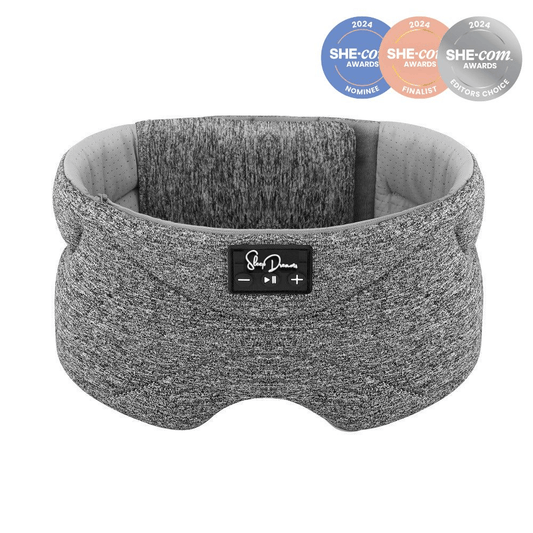
If you do not specifically need a night light, sleeping in complete darkness is generally best for sleep quality. Using blackout curtains to block external light and an eye mask for any remaining light in the room creates the ideal conditions for melatonin production and deep sleep.
Many people who think they prefer sleeping with some light are actually just accustomed to it. Trying a few nights of complete darkness, perhaps with an eye mask to start, can sometimes reveal a noticeable improvement in sleep quality that they were not expecting.
"We switched our kids' night lights from white to amber and the difference in how they settle at bedtime has been really noticeable. They seem calmer and they fall asleep faster. We also swapped our own bedroom to complete darkness with an eye mask and my sleep has improved a lot."
- Steph and Luke M., Ballarat
The Bottom Line
Leaving a modern LED night light on all night is safe from an electrical standpoint. The question is whether the light is affecting your sleep quality, and for many people, it is, even if they do not realise it. By choosing a warm-coloured, dim night light and positioning it thoughtfully, you can enjoy the comfort and safety benefits while minimising the impact on your rest.
If you are looking for ways to create a darker, more restful bedroom, our sleep accessories are designed to help you build the kind of sleep environment that supports deep, uninterrupted rest.
"I used to leave a white night light on because I liked being able to see if I woke up. After reading about how it affects melatonin, I switched to a dim red one near the floor. I honestly sleep so much better now. I did not think such a small change could make that much difference."
- Jo T., Launceston