

Why Some People Need a Light On to Sleep
If you find it difficult or even impossible to fall asleep in complete darkness, you are certainly not alone. Needing a light on at bedtime is more common than many people realise, and it is nothing to feel embarrassed about. Whether it stems from a childhood habit, anxiety, or simply a preference for a softer sleeping environment, understanding why you feel this way can help you find a comfortable balance between light and the darkness your body needs for quality rest.

Common Reasons for Sleeping With a Light On
Fear of the Dark
Nyctophobia, or fear of the dark, is one of the most common phobias and is not limited to children. Many adults experience discomfort or anxiety in complete darkness. This fear often has roots in childhood but can persist or develop later in life, particularly after a stressful or traumatic experience. The brain associates darkness with uncertainty and vulnerability, triggering a heightened state of alertness that makes relaxation difficult.
Anxiety and Overthinking
For people who deal with anxiety, darkness can feel like it amplifies worried thoughts. Without visual stimulation, the mind has nothing to focus on except its own internal chatter, which can quickly spiral into overthinking. A small amount of light can provide just enough grounding to help the brain feel safer and more settled.
Habit and Comfort
Sometimes the preference for sleeping with a light on is simply a long standing habit. If you grew up with a nightlight or have always had a lamp on in the bedroom, your brain may associate that gentle glow with comfort and security. Habits like these are deeply ingrained and can be difficult to change overnight.
"I have always slept with a light on and used to feel silly about it. Once I understood it was linked to my anxiety, I stopped judging myself and focused on finding the right kind of light that did not disrupt my sleep." - Tina K.
How Light Affects Sleep Quality
While having some light on can feel comforting, it is worth understanding how light interacts with your sleep biology. Your brain uses darkness as a signal to produce melatonin, the hormone that helps regulate your sleep wake cycle. Even small amounts of light, particularly blue or bright white light, can suppress melatonin production and make it harder to achieve deep, restorative sleep.
This does not mean you have to force yourself into pitch darkness if it causes distress. It simply means that being thoughtful about the type and amount of light you use can help you get the comfort you need without significantly compromising sleep quality.
Finding a Comfortable Balance
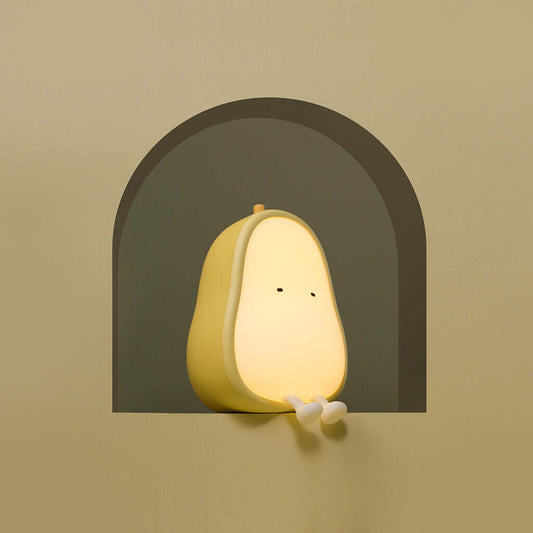
Use a Warm, Dim Night Light
A night light with a warm amber or red tone is a great compromise. These warmer colours have much less impact on melatonin production compared to blue or white light, so they can provide a reassuring glow without significantly disrupting your sleep cycles.
Position the Light Carefully
If you do use a light, try to position it low and away from your direct line of sight. A small light near the floor or behind a piece of furniture can create enough ambient glow to feel comfortable without shining directly into your eyes.
Gradually Reduce the Light
If you would like to eventually sleep in darker conditions, try gradually reducing the brightness over several weeks. Start with a dimmer bulb or move the light source further away. Small, gradual changes give your brain time to adjust without triggering discomfort.
Address the Underlying Cause
If anxiety or fear is the root cause, it may be worth exploring this with a healthcare professional. Cognitive behavioural therapy and other approaches can be very effective at helping people feel more comfortable with darkness. You do not have to tackle it alone, and there is no timeline you need to rush.
"Switching to an amber night light was a game changer for me. I still have a little bit of light which makes me feel safe, but my sleep quality improved so much. I also started using a proper wind down routine and that helped too." - Rachel F.
There Is No Wrong Way to Sleep
The most important thing is that you feel safe and comfortable enough to rest. If a small, warm light helps you get there, that is completely valid. Sleep is personal, and what works for one person may not work for another. The goal is to find the setup that lets you relax, drift off, and wake up feeling genuinely rested. Everything else is just detail.