Why a Bedtime Routine Actually Matters
A bedtime routine might sound like something for children, but it turns out adults benefit from one just as much - maybe more. Your brain is a pattern-recognition machine. When you repeat the same calming sequence of activities each evening, your nervous system learns that these cues mean sleep is approaching and begins winding down automatically. Without those cues, your brain has no reason to shift from daytime alertness into rest mode.
The result of a consistent routine is not just falling asleep faster. It is deeper sleep, fewer wake-ups, and mornings that actually feel restful. Here is how to build one that works.
Set a Consistent Bedtime
This is the foundation everything else sits on. Going to bed at roughly the same time each night - including weekends - trains your circadian rhythm to anticipate sleep. When your internal clock knows what is coming, it starts releasing melatonin earlier and more reliably. If you are not sure what time to aim for, our sleep calculator can help you work backwards from your wake-up time.
Start Your Wind-Down 60 Minutes Before Bed
The transition from active evening to sleep does not happen instantly. Give yourself a full hour to downshift. This is when you stop doing anything stimulating - no work emails, no intense TV, no heated conversations if you can help it. Think of this hour as your brain's runway for landing into sleep.
Dim the Lights
Bright overhead lighting tells your brain it is still daytime. Switching to lamps, candles, or warm-toned bulbs in the last hour before bed allows your melatonin production to ramp up naturally. This single change is one of the most underrated sleep improvements you can make.
Put Screens Away
The blue light from phones, tablets, and laptops suppresses melatonin and keeps your brain in alert mode. But it is not just the light - it is the content. Social media, news, and messaging all stimulate your brain when it should be calming down. Put devices in another room or at least switch them to aeroplane mode 30 to 60 minutes before bed.
Take a Warm Bath or Shower
A warm bath about 60 to 90 minutes before bed triggers a thermoregulatory response - your body temperature rises slightly, then drops as you cool down, which mimics the natural temperature decline that happens before sleep. Adding magnesium bath flakes or a few drops of lavender oil turns this into a multi-sensory relaxation ritual. Many people find this is the single most effective step in their routine.
Do Something Calming
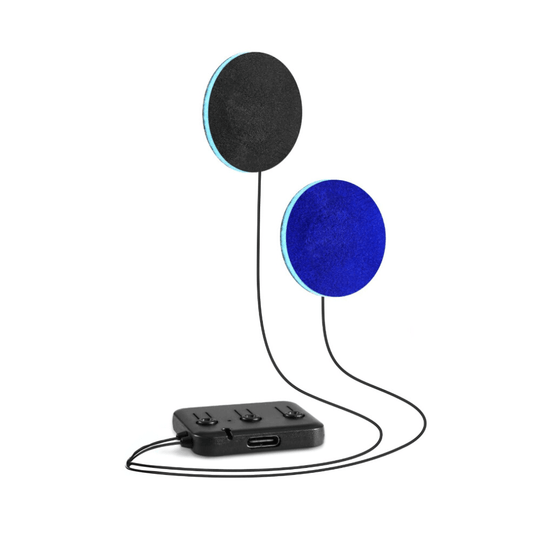
Fill the screen-free time with an activity that relaxes you. Reading a physical book, gentle stretching, journalling, listening to a podcast or calming music through sleep headphones, or simply sitting quietly with a cup of herbal tea. The specific activity matters less than the consistency - doing the same thing each night reinforces the sleep signal.
Prepare Your Environment
Before getting into bed, set your room up for success. Make sure the temperature is cool - between 16 and 19 degrees Celsius is ideal. Check that the room is as dark as possible. If you have a diffuser, switch it on with a calming blend. These environmental cues work alongside your routine to tell your body it is time to rest.
Write Down Tomorrow's Worries
If a racing mind is your biggest barrier to sleep, spend five minutes writing down anything that is on your mind. To-do lists, worries, decisions you need to make - get them out of your head and onto paper. Research from Baylor University found that people who wrote a specific to-do list before bed fell asleep significantly faster than those who wrote about tasks they had already completed.
Try a Breathing Exercise
Once you are in bed, a simple breathing technique can help activate your parasympathetic nervous system - the branch responsible for rest. The 4-7-8 method (inhale for 4 counts, hold for 7, exhale for 8) is a popular choice, or you can simply focus on slow, deep belly breaths. Even two to three minutes of intentional breathing can shift your body from alert to calm.
Be Patient With the Process
A bedtime routine is not a quick fix - it is a long-term investment. It takes about two to three weeks for your brain to fully learn a new routine and start responding to it automatically. In the early days, it might feel forced or awkward. That is normal. Stick with it, keep the sequence consistent, and the results will come.
If you are looking for products that support a better wind-down, our relaxation collection has options that pair well with every step of a bedtime routine.
"I never had a bedtime routine before - I would just scroll my phone until I passed out. Started doing the dim lights, bath, reading thing about a month ago and the change has been dramatic. I fall asleep in under fifteen minutes now instead of lying there for an hour."
- Josh A., Cairns ★★★★★
"The journalling tip is the one that made the biggest difference for me. I write down three things I am worried about and three things I am grateful for. It takes five minutes and completely stops the racing thoughts. I wish I had started doing this years ago."
- Olivia N., Adelaide ★★★★★