

Is It Safe to Sleep with Headphones On?
If you love falling asleep to music, podcasts, or white noise, you have probably wondered whether sleeping with headphones is actually safe. It is a fair question, and the answer depends a lot on the type of headphones you are using and how you are using them.
For many people, listening to audio at bedtime is a genuinely helpful part of their wind-down routine. It can mask disruptive noises, calm an anxious mind, and create a sense of comfort that makes falling asleep easier. The key is doing it in a way that supports your sleep rather than working against it.
The Potential Risks of Sleeping with Traditional Headphones
Before we look at the benefits, it is worth understanding the concerns that come with sleeping in regular headphones or earbuds. Not all headphones are created equal when it comes to overnight wear.
Ear Discomfort and Pressure
Standard earbuds and over-ear headphones are designed for daytime use, not for lying on. Side sleepers in particular can experience significant discomfort when hard plastic or bulky pads press against the ear for hours at a time. This pressure can cause soreness, headaches, and restless tossing and turning that defeats the purpose of using them in the first place.
Ear Canal Irritation
In-ear earbuds that sit inside the ear canal can cause irritation if worn for extended periods. They can trap moisture and warmth, creating an environment that may increase the risk of ear infections. If you notice itching, soreness, or discharge after sleeping in earbuds, it is a sign they are not the right option for overnight use.
Hearing Damage from Volume
Listening to audio at high volume for extended periods can damage your hearing over time. When you are asleep, you cannot consciously monitor the volume, and some people gradually increase it to block out noise without realising the levels are too high. Keeping the volume at a low, comfortable level is essential for safe overnight listening.
Strangulation Risk from Cords
Wired headphones pose a potential strangulation risk, particularly during restless sleep. While this risk is low, it is worth noting, especially for children or active sleepers. Wireless or cord-free options are always the safer choice for overnight wear.

The Benefits of Sleeping with the Right Headphones
Despite the risks associated with traditional headphones, sleeping with audio can be incredibly beneficial when you use headphones specifically designed for sleep. The right pair can transform your bedtime experience.
Masking Disruptive Noise
If you share a bed with a partner who snores, live near a busy road, or are sensitive to neighbourhood noise, sleep headphones can provide a buffer of calming sound that helps you drift off and stay asleep. White noise, rain sounds, or gentle music can be far more effective than trying to block noise with willpower alone.
Calming an Anxious Mind
For people who lie awake with racing thoughts, having something gentle to listen to can redirect the brain's attention and break the cycle of overthinking. Guided sleep meditations, sleep stories, and breathing exercises are all popular choices that many people find genuinely helpful.
Creating a Sleep Ritual
Consistently listening to calming audio as part of your bedtime routine creates a powerful association between that audio and sleep. Over time, your brain learns to recognise the sound as a signal that it is time to rest, which can make falling asleep faster and more natural.
What to Look for in Sleep Headphones
If you want to enjoy the benefits of sleeping with audio without the downsides, the type of headphones you choose matters enormously. Here is what to look for.
A Flat, Soft Design
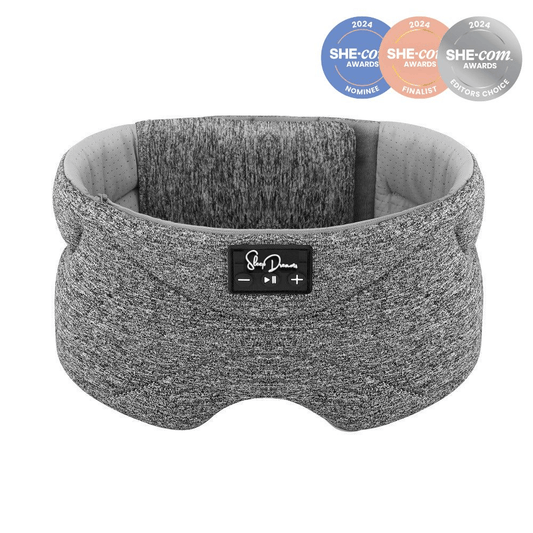
The best sleep headphones use ultra-thin, flexible speakers embedded in a soft headband or fabric. This means there is nothing hard pressing against your ear, even if you sleep on your side. The speakers should be thin enough that you barely notice them, but clear enough to deliver good sound quality at low volumes.
Wireless Bluetooth Connectivity
Wireless headphones eliminate the risk of cord tangling and make it easy to connect to your phone for music, podcasts, or sleep apps. Look for a reliable Bluetooth connection with enough battery life to last through the night.
Comfortable, Breathable Materials
Since you will be wearing them for hours, the fabric should be soft, breathable, and gentle on your skin. Materials that wick moisture and stay cool are ideal, especially in warmer months.
A Secure but Gentle Fit
Sleep headphones need to stay in place throughout the night without feeling tight or restrictive. A good headband design will sit comfortably around your head without shifting, even if you move around during sleep.

Our SleepSoftly Deluxe Bluetooth Sleep Headphones were designed with all of these considerations in mind. The ultra-thin speakers sit gently inside a soft, breathable headband, creating a comfortable pocket of sound without any of the pressure or discomfort of traditional headphones. They are particularly popular with side sleepers, light sleepers, and anyone who shares a bed with a snoring partner.
Tips for Safe and Effective Sleep Listening
Whether you are new to sleeping with headphones or have been doing it for years, these tips can help you get the most from the experience.
Keep the Volume Low
Your audio should be just loud enough to hear comfortably, not loud enough to block all external sound. A good rule of thumb is to set the volume lower than you think you need. You will be surprised how little volume is required in a quiet bedroom.
Use a Sleep Timer
Most music and podcast apps have a built-in sleep timer that will stop playback after a set period. This means the audio helps you fall asleep but does not continue playing all night, which can sometimes disrupt lighter sleep stages in the early morning.
Choose the Right Content
Not all audio is created equal when it comes to sleep. Look for content that is calming, slow-paced, and free from sudden changes in volume or intensity. White noise, nature sounds, ambient music, guided meditations, and sleep stories all tend to work well. Avoid anything stimulating like news, true crime, or fast-paced music.
Keep Your Headphones Clean
If you are wearing headphones every night, regular cleaning is important. Most sleep headphone bands can be gently hand-washed with the speakers removed. This helps maintain hygiene and keeps the fabric feeling fresh and comfortable.
"I tried so many different headphones and earbuds for sleeping and nothing worked. Regular earbuds hurt my ears, over-ear headphones were impossible to lie on. The SleepSoftly headband was the first thing that actually felt comfortable all night. I listen to rain sounds and I am asleep in minutes. Absolute game changer for me."
- Michelle T., Wollongong
Who Benefits Most from Sleep Headphones?
While anyone can enjoy sleeping with headphones, some people find them particularly life-changing. Partners of snorers often discover that sleep headphones give them back the peaceful night they had been missing. People with sleep difficulties driven by anxiety or overthinking find that having gentle audio to focus on helps quiet their mind. Shift workers who need to sleep during the day benefit from the combination of sound masking and relaxation. Travellers use them to create a familiar sleep environment in unfamiliar places.
If you have been struggling with sleep and have not tried sleeping with purpose-designed headphones, it may be worth exploring. The right pair can make a genuine difference to how quickly you fall asleep and how restful your night feels.
"My partner's snoring was seriously affecting my sleep and our relationship. I was exhausted and resentful. Since getting sleep headphones, I listen to white noise and I sleep through the night. It has honestly made such a difference to both of us."
- Jenny and Mark R., Brisbane