When You Are Running on Empty
Sleep deprivation is not just feeling a bit tired. It is a cumulative state that affects your concentration, your mood, your immune system, your decision-making, and even your physical coordination. Whether you are dealing with a new baby, shift work, chronic insomnia, or just a stretch of bad nights, the effects are real and they compound quickly. After just two or three nights of poor sleep, most people notice significant changes in how they think, feel, and function.
The goal here is not to pretend you can fix a serious sleep deficit overnight. It is to give you practical strategies for managing the day-to-day reality of sleep deprivation while you work on addressing the root cause.
Getting Through the Day
Use Caffeine Strategically
When you are sleep-deprived, caffeine becomes a tool rather than a habit. A cup of coffee or strong tea shortly after waking gives you the alertness boost you need for the morning. But the key is to stop drinking caffeine by midday at the latest. Caffeine has a half-life of five to six hours, and drinking it in the afternoon will make your sleep worse the following night - deepening the cycle you are trying to break.
Get Outside in Natural Light
Morning sunlight is one of the most powerful signals for your circadian rhythm. It suppresses melatonin, boosts cortisol in a healthy way, and helps your body understand that this is daytime and alertness is appropriate. Even 15 minutes of outdoor light - overcast days count - can make a meaningful difference to how alert and functional you feel during a sleep-deprived day.
Move Your Body
When you are exhausted, exercise is the last thing you feel like doing. But gentle movement - a short walk, some stretching, even standing up and moving around for five minutes every hour - increases blood flow and temporarily boosts alertness. Save vigorous exercise for when you have slept better, but do not sit still all day.
Eat Wisely
Sleep deprivation increases cravings for sugar and refined carbohydrates because your body is looking for quick energy. Resist the urge to binge on junk food - the energy spike will be followed by a crash that makes the fatigue worse. Instead, focus on regular, balanced meals with protein, healthy fats, and complex carbohydrates that provide sustained energy.
Recovering Your Sleep
Do Not Try to Catch Up All at Once
Sleeping for twelve hours on a Saturday does not erase a week of poor sleep - it actually disrupts your circadian rhythm further and makes Sunday night harder. Instead, add 30 to 60 minutes to your sleep over several nights. Go to bed slightly earlier and let your body gradually reclaim the rest it needs without throwing your schedule off.
Prioritise Sleep Hygiene
When you are already sleep-deprived, good sleep hygiene matters even more. A cool, dark, quiet room is non-negotiable. Screens off at least 30 minutes before bed. A consistent bedtime. A calming wind-down routine that signals to your brain that sleep is coming. These basics might feel obvious, but when you are exhausted they are often the first things to slip - and that is exactly when they matter most.
Use a Nap Wisely
A short nap of 15 to 20 minutes in the early afternoon can help restore alertness without interfering with nighttime sleep. The key is keeping it short and timing it right - napping after 3pm or sleeping longer than 30 minutes can make it harder to fall asleep at your normal bedtime. Set an alarm and get up when it goes off, even if you feel like you could sleep longer.
Address the Root Cause
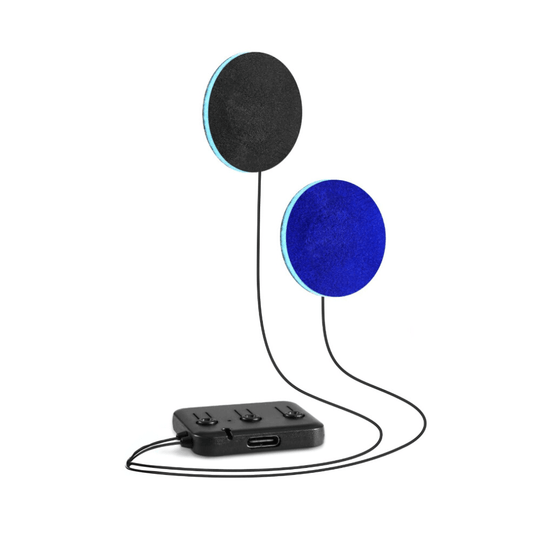
These tips help you cope, but they do not solve the underlying problem. If your sleep deprivation is caused by noise, sleep headphones or earplugs might resolve it quickly. If it is anxiety, our anxiety and sleep collection has products that help calm your nervous system before bed. If it is a medical issue like sleep apnoea, restless legs, or chronic insomnia, a conversation with your GP is the most important step you can take.
When to Take It Seriously
Short-term sleep deprivation from a stressful week or a sick child is unpleasant but manageable. But if you have been consistently sleeping poorly for more than two to three weeks and it is affecting your daily functioning, mood, or health, do not push through it alone. Chronic sleep deprivation is linked to increased risk of cardiovascular disease, diabetes, depression, and impaired immune function. Your sleep matters, and asking for help is not a sign of weakness - it is a sign that you are taking your health seriously.
Our sleep calculator can help you figure out the right bedtime for your situation, which is a practical first step towards building a more consistent sleep schedule.
"After three months of broken sleep with our newborn, I was a wreck. The strategic caffeine tip and the short afternoon nap genuinely got me through the worst of it. Once I started adding 30 minutes to my sleep each night instead of trying to crash on weekends, everything improved."
- Claire M., Brisbane ★★★★★
"I was working double shifts and running on four hours a night. The morning light walk and cutting caffeine after midday made the biggest difference to how I felt during the day. Still tired, but functional - and my nighttime sleep improved within a week."
- Pete L., Darwin ★★★★★