10 Snacks to Eat Before Bed That Won’t Impact Your Sleep

10 Snacks to Eat Before Bed That Won’t Impact Your Sleep

Published:  |  Last Updated:
10 Snacks to Eat Before Bed That Won’t Impact Your Sleep

Eating Before Bed Does Not Have to Ruin Your Sleep

There is a lot of conflicting advice about eating before bed. Some people say never eat after 7pm. Others say a small snack actually helps. The truth sits somewhere in the middle. A heavy meal close to bedtime will almost certainly disrupt your sleep - your digestive system has to work hard to process it, which raises your core temperature and keeps your body in active mode. But a small, well-chosen snack can actually support better sleep by providing nutrients that help your brain produce the chemicals it needs to wind down.

The key is choosing snacks that are light, easy to digest, and ideally contain nutrients that promote relaxation - like tryptophan, magnesium, or complex carbohydrates.

Snacks That Support Sleep

Banana

Bananas are one of the best bedtime snacks you can reach for. They contain both magnesium and potassium, which help relax muscles and nerves, plus tryptophan - an amino acid your body converts into serotonin and then melatonin. A single banana about 30 minutes before bed is light enough that it will not sit heavy in your stomach.

A Small Handful of Almonds

Almonds are naturally rich in magnesium, which plays a direct role in sleep quality. Studies have shown that magnesium supplementation improves sleep in people who are deficient, and almonds are one of the most accessible food sources. A small handful - about 15 to 20 almonds - is the right amount. Do not overdo it, as the fat content can slow digestion if you eat too many.

Greek Yoghurt

The combination of protein and calcium in Greek yoghurt makes it a solid bedtime choice. Calcium helps the brain use tryptophan to produce melatonin. A small bowl with a drizzle of honey adds a touch of sweetness without spiking your blood sugar.

Cherry Juice

Tart cherries are one of the few natural food sources of melatonin. Several studies have found that drinking tart cherry juice in the evening can improve both sleep duration and quality. A small glass - about 120ml - is enough. Look for 100% tart cherry juice without added sugar.

Warm Milk With Honey

There is a reason this is a classic. Warm milk contains tryptophan and calcium, and the warmth itself has a soothing effect. Adding a teaspoon of honey provides just enough glucose to help tryptophan cross into the brain more efficiently. The ritual of making and drinking warm milk can also become a calming part of your evening wind-down.

Oatmeal

A small bowl of oats made with warm milk is a surprisingly effective sleep snack. Oats are a natural source of melatonin and complex carbohydrates, which raise blood sugar gently and help tryptophan reach the brain. Keep the serving small and avoid loading it with sugar - a drizzle of honey or a sprinkle of cinnamon is all you need.

Turkey Slices

Turkey is famously high in tryptophan, which is why people feel sleepy after a big roast dinner. A few slices of turkey on a wholegrain cracker gives you the tryptophan plus a small amount of complex carbohydrate to help your body use it effectively.

Kiwi Fruit

Research from Taipei Medical University found that eating two kiwi fruits an hour before bed improved sleep onset, duration, and efficiency in adults with sleep difficulties. Kiwis are rich in serotonin and antioxidants, both of which may contribute to their sleep-promoting effects. They are also light and easy to digest.

Wholegrain Crackers With Cheese

The combination of complex carbohydrates from the crackers and calcium plus tryptophan from the cheese makes this a well-balanced bedtime snack. Keep it small - two or three crackers with a thin slice of cheese is plenty.

Herbal Tea With a Biscuit

A cup of chamomile or passionflower tea paired with a simple biscuit is gentle on the stomach and doubles as a calming ritual. Chamomile contains apigenin, a compound that binds to receptors in the brain associated with relaxation and sleep initiation.

What to Avoid Before Bed

Just as important as what you eat is what you do not eat. Heavy, rich, or spicy foods force your digestive system to work overtime and can cause heartburn when you lie down. Caffeine - including in chocolate and some teas - should be avoided for at least five hours before bed. Sugary snacks cause blood sugar spikes and crashes that can wake you up during the night. And alcohol, while it might make you feel sleepy, significantly disrupts sleep quality in the second half of the night.

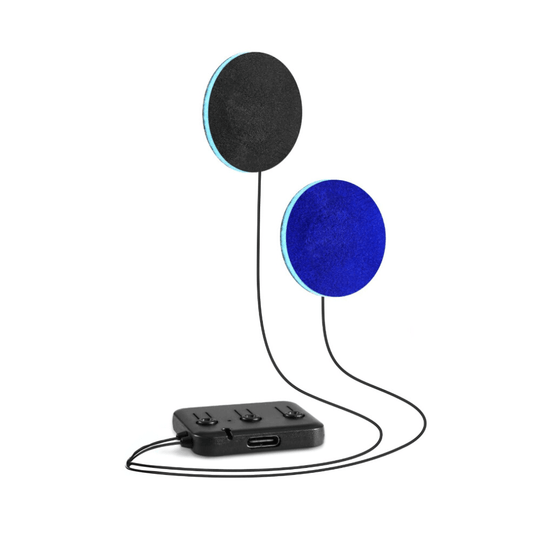
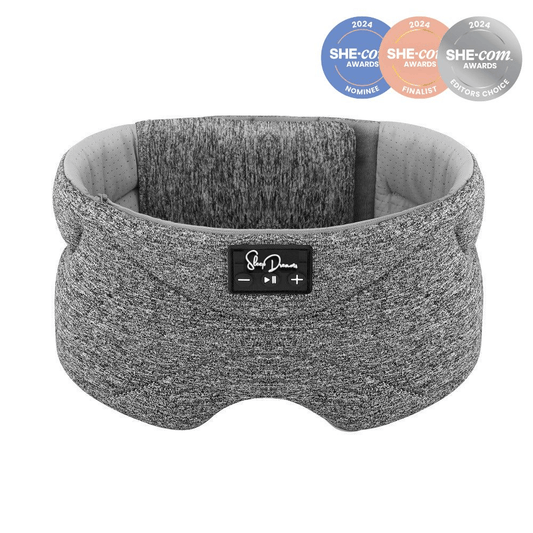
If you are looking for other ways to support your evening routine, our sleep headphones pair beautifully with a light snack and a calming podcast as part of a consistent wind-down. And our guide to lavender for sleep covers another sensory layer you can add to your evening.

"I used to eat a big bowl of cereal before bed and wondered why I could not sleep. Switched to a banana and a few almonds and the difference was instant. I fall asleep faster and I do not wake up feeling heavy anymore."

- Ben G., Sunshine Coast ★★★★★

"The tart cherry juice tip was a game changer. I drink a small glass about an hour before bed and I swear I am sleeping deeper than I have in years. It has become a non-negotiable part of my routine."

- Lisa M., Hobart ★★★★★

Back to blog