Your Bedroom Is Either Helping or Hurting Your Sleep
Most people put more thought into how their bedroom looks than how it functions as a sleep environment. But the way your bedroom is set up - the light, the temperature, the noise, the colours, the clutter - directly affects how quickly you fall asleep, how deeply you sleep, and how you feel when you wake up. A few intentional changes can transform your bedroom from a place where you happen to sleep into a space that actively supports rest.
Light Control
Block Outside Light
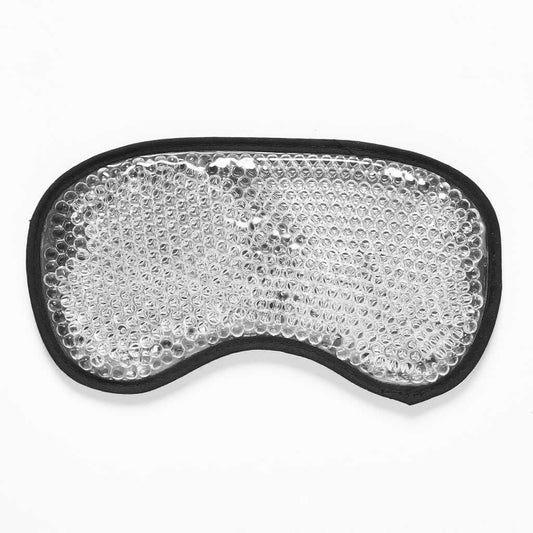
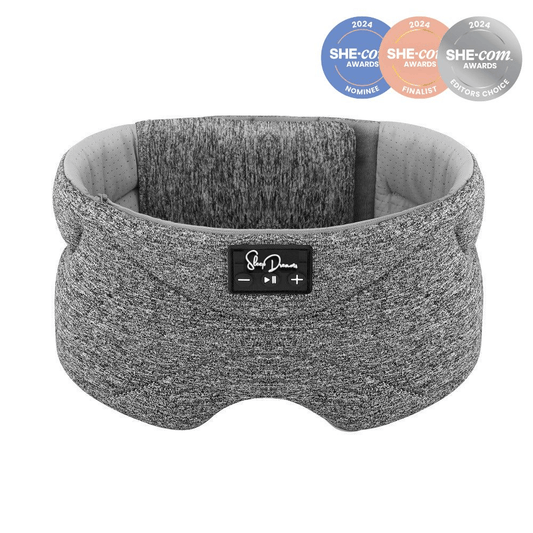
Darkness is one of the strongest signals your brain uses to initiate melatonin production. Block-out curtains or blinds are one of the best investments you can make for your sleep environment. They eliminate street lights, headlights, and early morning sun that would otherwise pull you out of sleep too early. If full block-out curtains are not an option, a quality sleep mask provides personal darkness regardless of room conditions.
Eliminate LED Glow
Standby lights on TVs, charger indicators, smoke detectors, and other electronics create small but persistent points of light that your brain registers even with your eyes closed. Blackout stickers cover these easily and make your room properly dark. It is a small change with a surprisingly noticeable effect.
Use Warm Lighting in the Evening
Replace bright white or blue-toned bedroom bulbs with warm-toned alternatives - 2700K or lower. In the hour before bed, switch from overhead lights to bedside lamps or a salt lamp. The warm, dim light supports melatonin production rather than suppressing it.
Temperature
Your body needs to drop roughly one degree in core temperature to initiate sleep. A bedroom between 16 and 19 degrees Celsius is the sweet spot for most adults. If your room runs warm, a fan provides both cooling and gentle white noise. Breathable bedding made from natural fibres like cotton, linen, or bamboo helps regulate temperature through the night better than synthetic materials.
Sound Management
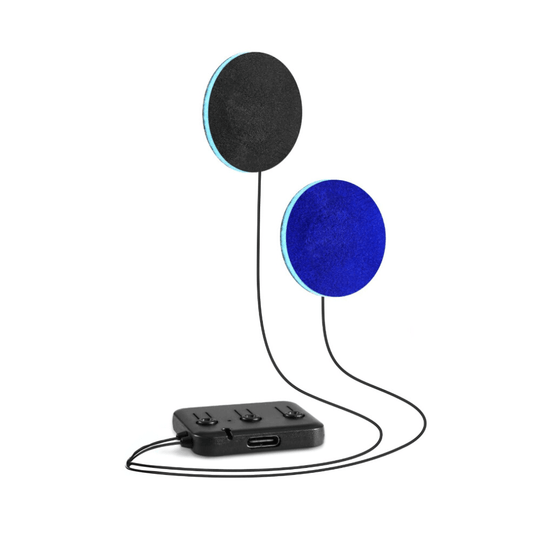
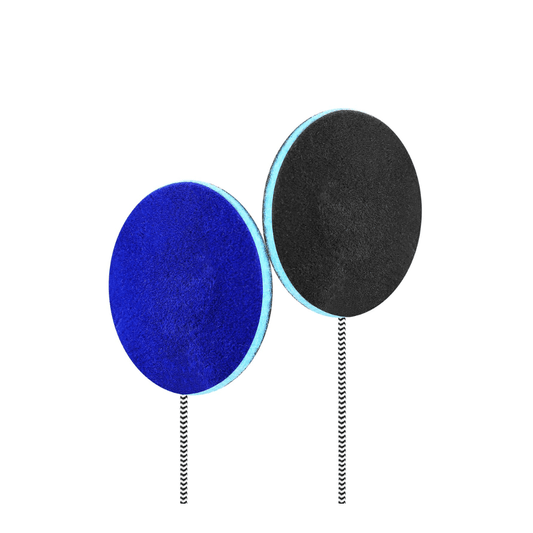
A quiet bedroom is ideal, but quiet is not always possible. If noise is an issue, you have several options. Sleep headphones let you play white noise or calming audio without disturbing a partner. A white noise machine or fan provides steady background sound that masks irregular noises like traffic or neighbours. Heavy curtains absorb sound as well as light. Soft furnishings - rugs, cushions, upholstered headboards - reduce echo and make a room feel acoustically calmer.
Colour and Atmosphere
Colour psychology in the bedroom is more than interior design trend - research suggests that cool, muted tones like soft blues, greens, and greys are associated with lower heart rates and calmer brain activity. These colours mimic natural environments like sky, water, and stone, which your brain unconsciously interprets as safe and restful. Bold, bright colours - especially reds and oranges - can have a stimulating effect that works against sleep.
You do not need to repaint your entire room. Even changing your bedding, curtains, or a few decorative elements to cooler, softer tones can shift the overall feeling of the space.
Declutter and Simplify
A cluttered bedroom creates visual noise that can make it harder to relax. Piles of laundry, stacks of books, work materials, and general mess send signals to your brain that there are tasks to be done - which is the opposite of what you want when you are trying to wind down. You do not need a minimalist showroom, but a tidy, organised space with clear surfaces genuinely supports a calmer state of mind.
In particular, remove anything work-related from the bedroom. If you work from home, having a laptop or paperwork visible from your bed creates an association between the space and productivity that undermines its function as a place of rest.
Scent
Adding a calming scent to your bedroom creates another sensory cue that supports sleep. A diffuser running a lavender or chamomile blend for 20 minutes before bed, a light spritz of pillow spray on your sheets, or a scented candle (extinguished before you get into bed) all work well. Over time, your brain learns to associate that scent with winding down, and the relaxation response kicks in faster. Our aromatherapy range has blends specifically designed for evening use.
Bedding That Works With Your Body
Your pillows, sheets, and duvet are in direct contact with your body all night - they matter more than most people realise. A pillow that matches your sleep position keeps your spine aligned and prevents the neck pain that causes restless repositioning. Sheets made from natural fibres breathe and regulate temperature better than polyester. A duvet appropriate for the season prevents overheating in summer and keeps you warm enough in winter.
Make It a Space You Look Forward To
Ultimately, the best bedroom is one you genuinely enjoy being in. If walking into your bedroom at the end of the day feels like arriving in a calm, comfortable sanctuary - rather than just another room in the house - you have set yourself up for better sleep before you even close your eyes.
"I decluttered my bedroom, added block-out curtains, swapped the overhead light for a bedside lamp, and put blackout stickers on every LED. It sounds like a lot but it took one afternoon and my sleep has been dramatically better since. The room just feels different now."
- Julia K., Sydney ★★★★★
"We repainted our bedroom from bright white to a soft blue-grey and changed the bedding to linen. Combined with a diffuser running lavender, the room went from feeling like a spare office to a proper retreat. Both my partner and I are sleeping noticeably better."
- Marcus D., Adelaide ★★★★★