

The Connection Between Touch, Hormones, and Sleep
Most people think of massage as a luxury - something you treat yourself to when you are stressed or sore. But there is a growing body of research suggesting that regular massage does something more fundamental: it shifts your hormonal balance in ways that directly support better sleep.
The two hormones at the centre of this connection are serotonin and melatonin. Serotonin is a neurotransmitter that regulates mood, and it is also the chemical precursor to melatonin - the hormone your body produces to signal that it is time to sleep. When serotonin levels are healthy, melatonin production tends to follow naturally. When serotonin is low - often the case during periods of chronic stress - melatonin production can suffer, and sleep becomes harder to initiate and maintain.
Massage has been shown to increase serotonin levels by an average of roughly 28 percent, according to a meta-analysis published in the International Journal of Neuroscience. That boost in serotonin creates better conditions for melatonin synthesis later in the evening, essentially helping your body's internal clock run more smoothly.
Why the Benefits Go Beyond Relaxation
It is easy to dismiss massage as simply relaxing, but the physiological effects run deeper than the feeling of calm during the session itself. Massage reduces cortisol - the stress hormone that keeps your body in a state of alertness. It lowers heart rate and blood pressure. It releases muscular tension that many people carry unconsciously into bed, contributing to restless nights and difficulty finding a comfortable position.
For people who deal with anxiety-related sleep problems, massage can interrupt the cycle of mental tension leading to physical tension leading to wakefulness. It gives the nervous system a reset that is difficult to achieve through willpower alone.
Bringing Massage Into Your Evening Routine
You do not need to book a professional massage every week to benefit from this. There are simple, accessible ways to incorporate the principles of massage into your nightly wind-down.
Self-Massage for the Feet and Hands
Your feet and hands contain dense clusters of nerve endings that respond well to gentle pressure. Spending just five minutes massaging the soles of your feet before bed - using your thumbs in slow, firm circles - can trigger a relaxation response that helps your whole body settle. A small amount of magnesium cream or oil can add a soothing element to the practice.
Neck and Shoulder Release
If you carry tension in your neck and shoulders (and most people who work at a desk do), a few minutes of gentle self-massage or stretching in this area can make a noticeable difference. Use your fingers to press gently into the muscles at the base of your skull and along the tops of your shoulders, holding each point for 10 to 15 seconds.
Warm Bath Before Bed
A warm bath works on similar principles to massage - it relaxes muscles, lowers cortisol, and creates a sensory transition that signals the end of the day. Adding magnesium bath flakes enhances the muscle-relaxing effect and provides your body with additional magnesium, which plays a direct role in sleep regulation.
Pairing Touch With Sound
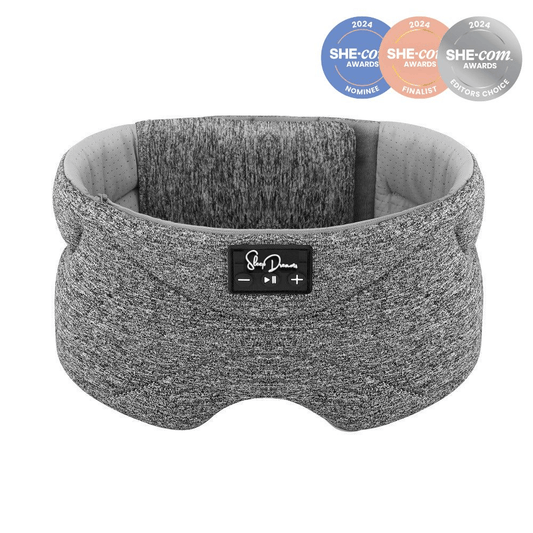
Combining a gentle self-massage routine with calming audio - a body scan meditation, ambient sounds, or soft music through sleep headphones - creates a multi-sensory wind-down experience that can be remarkably effective. The combination of physical touch and calming sound gives your brain two clear signals that it is time to shift into rest mode.
How Often Does It Need to Happen
Research suggests that the sleep benefits of massage are cumulative - meaning regular, consistent sessions deliver better results than occasional one-offs. Even a brief daily self-massage routine of five to ten minutes can build up over time. Professional massage once or twice a month can complement daily self-care, but it is not essential for seeing improvement.
The key, as with most sleep strategies, is consistency. A five-minute foot massage done every night will outperform an hour-long spa session done once a quarter, simply because your nervous system responds to patterns and repetition.
For more ideas on how physical relaxation techniques can support your sleep, our article on whether cupping helps you sleep explores another body-based approach that some people find helpful.
"I started doing a simple foot massage with magnesium cream every night before bed. It takes five minutes and the effect on my sleep has been remarkable. I fall asleep faster and wake up feeling like I have actually rested."
- Priya N., Melbourne ★★★★★
"My physio recommended I do some gentle neck and shoulder work before bed to help with my tension headaches. It has not only helped the headaches - I am sleeping through the night now for the first time in months."
- Tom H., Adelaide ★★★★★