

The Signs Are Written All Over Us
You have probably noticed it without even thinking about it. Someone walks into the office, and before they say a word, you can tell they slept badly. The puffy eyes, the slightly dull skin, the way they reach for coffee like it is a life raft. Sleep, or the lack of it, is surprisingly visible.
But what is it exactly that gives us away? And can the way someone looks in the morning actually tell you how they slept? The answer is yes, more than you might think. From your skin to your hair to your mood, sleep leaves its fingerprints everywhere.

Your Hair Tells the Story
Hair is one of the most honest indicators of how someone slept. A restless night full of tossing and turning leaves behind tangles, frizz and that unmistakable "I fought my pillow and lost" look. Every time your head moves across a cotton pillowcase, friction pulls at your strands, roughens the cuticle and steals moisture.
The Restless Sleeper vs the Calm Sleeper
Someone who moves a lot during the night will wake up with more tangles and more friction damage than someone who sleeps relatively still. But even calm sleepers are not immune. Cotton fabric creates enough friction over a full night to leave its mark, especially on curly, textured or colour-treated hair.
Why Silk Changes Everything
This is where a silk hair bonnet makes a visible difference. Silk creates a smooth, low-friction surface that lets your hair glide instead of catch. People who sleep with a silk bonnet consistently wake up with smoother, less tangled hair. And over time, the reduction in friction means less breakage and healthier-looking strands.

"My colleagues started asking what I was doing differently with my hair. The answer was so simple: I started sleeping in a silk bonnet. My morning hair went from a tangled mess to smooth and manageable overnight." - Deepa R.
Your Skin Knows the Truth
After a poor night of sleep, your skin looks flatter, duller and puffier. This is because sleep is when your body does its most intensive repair work. Blood flow to the skin increases, collagen production ramps up and cells regenerate. When you miss out on quality sleep, this repair process is cut short, and it shows.
Puffiness and Dark Circles
Fluid retention around the eyes is one of the most recognisable signs of poor sleep. Dark circles appear when the skin under the eyes, which is thinner than the rest of the face, reveals the blood vessels beneath more clearly due to fatigue and reduced circulation.
A Dull, Tired Complexion
Without adequate deep sleep, your skin misses out on the increased blood flow that gives it a healthy glow. The result is a complexion that looks flat, grey and tired, even after you have been awake for only a few minutes.
Your Mood Gives You Away Too
Beyond the physical signs, poor sleep affects how you carry yourself. Shorter patience, lower energy, a tendency to zone out or snap at small things. People around you can sense it even if they cannot pinpoint exactly what is different. Sleep deprivation affects emotional regulation, which means you are more reactive, less resilient and less like yourself.
"I used to think nobody noticed when I had a bad night. Then my partner said, 'I can always tell how you slept by how your hair looks in the morning.' That was the push I needed to start taking my sleep routine seriously." - Nat G.
The Simplest Test
Next time you wake up, take a moment to notice the signs. How does your hair look? How does your skin feel? How is your mood? These small observations can tell you a lot about the quality of your rest and whether your current sleep habits are working for you.
Start Sleeping in a Way That Shows
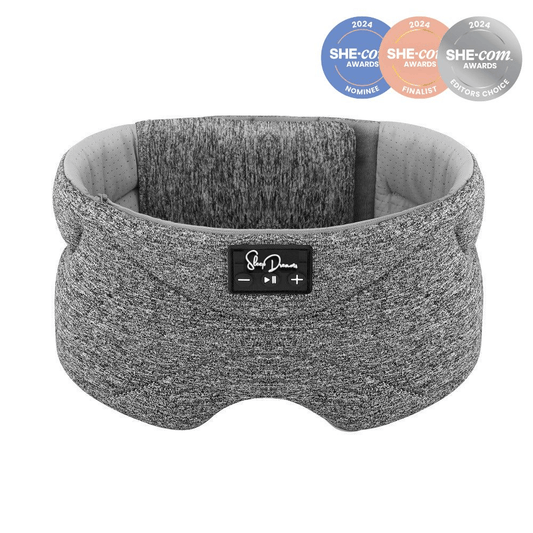
If you want to wake up looking and feeling like you actually rested, small changes to your sleep setup can make a big difference. A silk bonnet protects your hair. A cold face mask reduces puffiness. Calming audio through your sleep headphones helps you fall into deeper, more restorative sleep.
Browse our silk bonnets collection to start protecting your hair overnight. And for a deeper look at building a routine that supports both sleep and appearance, read our guide on caring for your silk bonnet.