

The Link Between Sleep and Dark Circles
Dark circles under the eyes are one of the most visible signs that something is off with your rest. If you have ever looked in the mirror after a rough night and noticed those telltale shadowy patches, you probably assumed it was because of a lack of sleep. And while that is certainly part of the picture, the relationship between sleep and dark circles is a little more nuanced than most people realise.

Why Poor Sleep Makes Dark Circles Worse
When you do not get enough sleep, your body produces more cortisol to help keep you alert. Elevated cortisol levels cause blood vessels to dilate, including the delicate ones under your eyes. Because the skin in this area is thinner than almost anywhere else on the body, these dilated blood vessels become more visible, creating that dark, shadowy appearance.
Sleep deprivation also leads to fluid retention, which can cause puffiness around the eyes. The combination of puffiness and darker skin underneath creates the tired, worn out look that most people associate with a bad night's sleep. Additionally, when you are tired, your skin can appear paler than usual, which makes any existing darkness under the eyes even more noticeable.
Other Factors That Contribute to Dark Circles
Genetics
Some people are simply more prone to dark circles because of their genetic makeup. If your parents or grandparents had noticeable under eye darkness, you may too, regardless of how well you sleep. This is particularly common in people with deeper skin tones or those who have naturally thinner skin under the eyes.
Age
As we get older, the skin under the eyes becomes thinner and loses collagen and fat, making blood vessels more visible. This is a natural part of ageing and can make dark circles appear more pronounced over time.
Allergies and Congestion
Nasal congestion from allergies or colds can cause the blood vessels around the sinuses and under the eyes to dilate and darken. This is sometimes referred to as "allergic shiners" and can be particularly noticeable during hay fever season.
Screen Time and Eye Strain
Spending long hours staring at screens can cause eye strain and fatigue, which can contribute to the appearance of dark circles. The blue light from screens can also affect your melatonin production, making it harder to sleep well and compounding the problem.
"I always thought my dark circles were just genetic, but when I started sleeping better and using an eye mask to block light, they noticeably improved. It turns out sleep quality was playing a bigger role than I thought." - Hannah L.
How to Reduce Dark Circles Through Better Sleep
Prioritise Consistent Sleep
Getting seven to nine hours of quality sleep on a regular basis is one of the most effective things you can do for under eye darkness. A consistent bedtime routine that allows your body to wind down properly can help ensure you are getting the deep, restorative rest your skin needs to repair and regenerate.
Sleep With Your Head Slightly Elevated
If puffiness is contributing to your dark circles, sleeping with your head slightly elevated can help prevent fluid from pooling around the eyes overnight. An extra pillow or an adjustable bed base can make this easy and comfortable.
Block Out Light
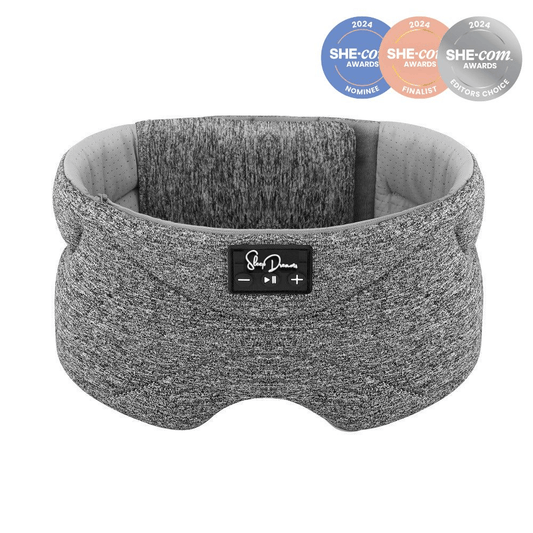
Sleeping in a dark environment supports better melatonin production and deeper sleep. A well fitted eye mask or blackout curtains can help create the darkness your body needs, and the gentle pressure of a mask can also feel soothing around the eye area.
Stay Hydrated
Dehydration can make dark circles look worse by causing the skin to appear dull and sunken. Drinking enough water throughout the day and keeping a glass by your bed can help keep your skin looking plumper and more refreshed.
"Since I started taking my sleep routine seriously and keeping my bedroom set up for proper rest, my dark circles have reduced so much. People keep asking me what skincare I am using, but honestly it is just better sleep." - Lucy M.
Better Sleep, Brighter Eyes
While dark circles can have multiple causes, improving your sleep is one of the most impactful things you can do to reduce their appearance. It is a change that benefits not just how you look, but how you feel, your energy, your mood, and your overall wellbeing. Sometimes the best beauty treatment is simply a great night's rest.