How Can I Stop My Mind from Racing at Night and Get a Good Night's Sleep

How Can I Stop My Mind from Racing at Night and Get a Good Night's Sleep

Published:  |  Last Updated:
How Can I Stop My Mind from Racing at Night and Get a Good Night's Sleep

Why Your Mind Races at Bedtime

If you have ever climbed into bed feeling tired only to have your brain suddenly light up with thoughts, worries and mental to-do lists, you are in very good company. A racing mind at bedtime is one of the most common sleep complaints, and it affects people of all ages and backgrounds.

The reason it tends to happen at night is actually quite logical. During the day, your mind is occupied with tasks, conversations, screens and activity. There is simply less space for unprocessed thoughts to surface. But when you lie down in a quiet, dark room with nothing to distract you, your brain seizes the opportunity to process everything it has been holding onto.

Understanding this can be genuinely reassuring. A racing mind at bedtime is not a sign that something is wrong with you. It is your brain trying to do its job. The challenge is learning how to give it what it needs without sacrificing your sleep.

The Stress and Sleep Cycle

There is a frustrating feedback loop between stress and sleep. When you are stressed, your body produces cortisol, a hormone that keeps you alert and ready to respond to threats. Elevated cortisol at bedtime makes it harder to fall asleep. Then, when you don't sleep well, your stress levels increase the next day, leading to even more cortisol at bedtime. Breaking this cycle is key to getting your racing mind under control.

Person lying in bed with a racing mind struggling to fall asleep

Practical Techniques That Actually Help

Brain Dump Before Bed

One of the most effective techniques for quieting a busy mind is to get your thoughts out of your head and onto paper before you get into bed. Spend five to ten minutes writing down everything that is on your mind: tomorrow's tasks, unresolved worries, ideas, reminders, anything. The goal is not to solve these things but to acknowledge them and give them a place to live outside your head.

Research from Baylor University found that participants who wrote a to-do list for the next day before bed fell asleep significantly faster than those who wrote about tasks they had already completed. The act of externalising your thoughts reduces the cognitive load your brain is carrying, making it easier to let go.

The 4-7-8 Breathing Technique

This simple breathing exercise activates your parasympathetic nervous system, which is your body's built-in relaxation response. Breathe in through your nose for four counts, hold for seven counts, then exhale slowly through your mouth for eight counts. Repeat this cycle three to four times.

The extended exhale is the key. It signals to your nervous system that there is no threat and it is safe to relax. Many people find that this technique not only calms racing thoughts but also creates a physical sensation of heaviness and drowsiness.

Progressive Muscle Relaxation

Starting from your toes and working up to your head, deliberately tense each muscle group for five seconds and then release. The contrast between tension and relaxation helps your body physically let go of the stress it has been carrying, and the focused attention on your body gives your mind something calming to focus on instead of your thoughts.

Guided Imagery

Instead of trying to force your mind to be blank (which rarely works), give it something peaceful to focus on. Imagine yourself in a calm, detailed scene: walking through a quiet forest, lying on a warm beach, floating in still water. Engage all your senses. What can you see, hear, smell and feel? The more detailed the scene, the more effectively it occupies the part of your brain that would otherwise be generating anxious thoughts.

Listening to Calming Audio

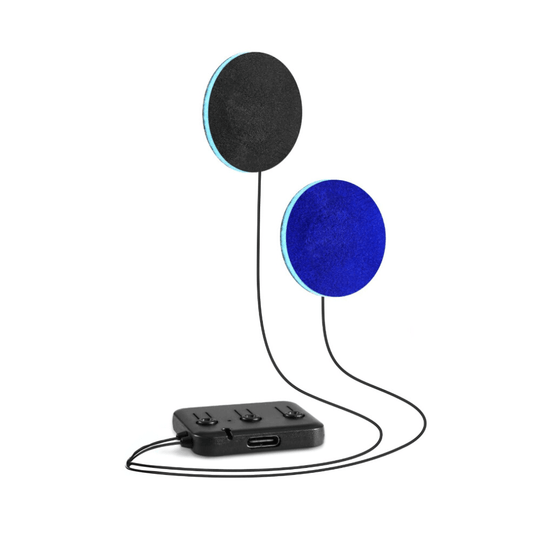
Sleep stories, guided meditations, gentle music and nature sounds can all provide a soothing focal point that draws your attention away from racing thoughts. Using comfortable sleep headphones makes this particularly effective, as the audio creates a cocoon of calm that blocks out both external noise and internal chatter.

The key is choosing audio that is genuinely calming rather than stimulating. Podcasts and audiobooks with gripping storylines can actually keep your mind more engaged. Opt for content specifically designed for sleep, such as slow-paced narration, ambient sounds or body scan meditations.

"The brain dump technique changed everything for me. I keep a notebook on my bedside table and spend five minutes writing before I turn the light off. My mind feels so much lighter when I lie down." - Patrick O., Wangaratta

Building a Wind-Down Routine

Individual techniques are helpful, but they work best as part of a broader wind-down routine that begins well before you get into bed. Think of the 60 to 90 minutes before bedtime as a transition period where you are gradually shifting your brain from active mode to sleep mode.

Set a "screens off" time: At least 30 to 60 minutes before bed, put away your phone, tablet and laptop. The combination of blue light and stimulating content is one of the biggest contributors to a racing mind at bedtime.

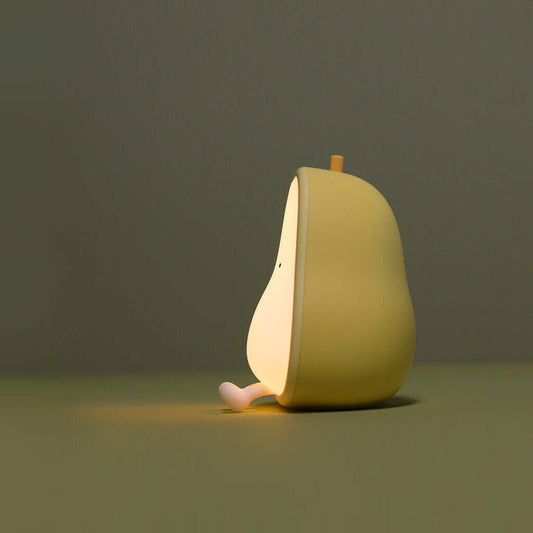
Dim the lights: Switch from overhead lighting to warm, low-level light sources like a salt lamp or amber-toned bedside lamp. This signals to your brain that the day is ending.

Do something calming: Read a physical book, do some gentle stretching, take a warm bath or listen to calming music. The activity itself matters less than its ability to shift your mental state from engaged to relaxed.

Keep a consistent schedule: Going to bed and waking up at roughly the same time every day, including weekends, helps regulate your circadian rhythm and makes it easier for your brain to know when it is time to power down.

What to Do When You Cannot Sleep

If you have been lying in bed for more than 20 minutes and your mind is still racing, the worst thing you can do is stay in bed getting frustrated. Frustration creates more cortisol, which makes sleep even harder.

Instead, get up and go to another room. Do something quiet and calming in low light, such as reading, light stretching or listening to soft music. When you start to feel drowsy, go back to bed. This technique, known as stimulus control, helps your brain maintain a strong association between your bed and sleep rather than between your bed and lying awake feeling stressed.

"I used to lie in bed for hours getting more and more frustrated. Learning to get up and read in another room until I felt sleepy was counterintuitive but it genuinely works. My brain now associates bed with sleep, not stress." - Helen G., Bathurst

When to Seek Help

If a racing mind is a nightly occurrence that significantly impacts your functioning during the day, it may be worth speaking with your GP. Chronic sleep difficulties driven by anxiety or stress can sometimes benefit from professional support such as cognitive behavioural therapy for insomnia (CBT-I), which is considered the gold standard treatment for persistent insomnia and is more effective long term than medication.

There is no shame in asking for help. Sleep is fundamental to everything else in your life, and getting support to improve it is one of the most valuable things you can do for your overall wellbeing.

You Are Not Alone

A racing mind at bedtime is incredibly common and it does not have to be a permanent part of your life. With the right techniques, a consistent routine and a willingness to experiment with what works for you, it is absolutely possible to quieten the noise and find your way to calmer, more restful nights.

Back to blog