How to Create the Best Sleep Environment
Your bedroom should be a sanctuary for sleep. But for many of us, it has become a multipurpose space that doubles as an office, entertainment hub, and general living area. If you are struggling with sleep, your environment could be playing a bigger role than you think.
The good news is that creating an ideal sleep environment does not require a complete bedroom renovation. Small, targeted changes can have a surprisingly large impact on how quickly you fall asleep, how deeply you rest, and how refreshed you feel in the morning.
Temperature: Keep It Cool
Your body needs to drop its core temperature slightly to initiate sleep. A bedroom that is too warm makes this process harder, often leading to restlessness, tossing and turning, and lighter sleep overall.
The ideal bedroom temperature for sleep is generally between 16 and 20 degrees Celsius, with most people finding 18 degrees to be the sweet spot. In Australian summers, this can be challenging, but using a fan, air conditioning (set to a comfortable level), or lightweight breathable bedding can help. In winter, it is better to add an extra blanket than to overheat the room.
Light: Make It Dark
Darkness is one of the most powerful signals your brain uses to trigger melatonin production and prepare for sleep. Even small amounts of light in your bedroom can suppress melatonin and reduce sleep quality, often without you realising it.
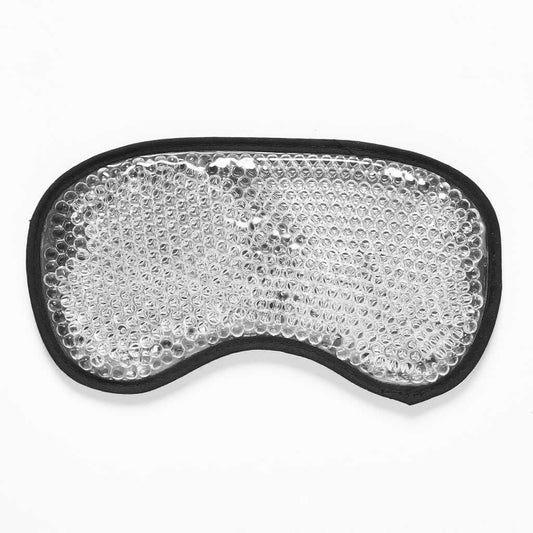
Invest in blackout curtains or blinds to block external light from streetlamps, car headlights, and early morning sun. Cover or remove any devices with standby lights, and if complete darkness is not achievable, a quality eye mask can make up the difference. Many people are surprised by how much better they sleep once they eliminate the light sources they had been tolerating.
Sound: Manage Noise
Noise is one of the most common sleep disruptors, and you do not always have control over it. Traffic, neighbours, a snoring partner, barking dogs, and early morning birds can all pull you from sleep, particularly during lighter sleep stages.
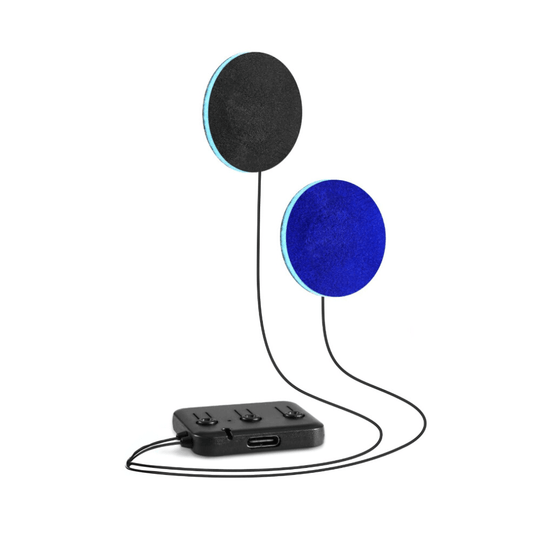
If you cannot eliminate the noise, masking it is the next best option. White noise machines, fans, or calming audio played through sleep headphones create a consistent sound layer that makes sudden noises less jarring. Sleep headphones are particularly effective because they deliver the sound directly without disturbing a partner and are designed to be comfortable enough for all-night wear.
Air Quality: Keep It Fresh
Stuffy, stale air can make sleep uncomfortable and contribute to congestion, dry throat, and general restlessness. Opening a window for fresh air during the day (or at night if it is safe and quiet enough) can make a noticeable difference. If you live in a humid area, a dehumidifier can help keep moisture levels comfortable, while a humidifier can help in dry climates or during winter when heating dries out the air.
Keeping your bedroom clean, vacuuming regularly, and washing bedding weekly helps reduce dust mites and allergens that can affect breathing and sleep quality.
Bedding: Invest in Comfort
Your mattress, pillow, and bedding directly affect how comfortable you are during sleep. A mattress that is too old, too firm, or too soft for your sleeping position can cause pain and restlessness. Pillows that do not support your neck properly can lead to stiffness and headaches.
Choose bedding materials that suit your climate and sleeping temperature. Natural fibres like cotton and linen are breathable and help regulate temperature. In warmer months, lighter quilts or even just a sheet may be more comfortable than a heavy doona.
Clutter and Visual Calm
A cluttered bedroom can create a subtle sense of stress that makes it harder to relax. You may not consciously notice the piles of laundry, the stack of papers, or the busy decor, but your brain registers it as visual noise. Keeping your bedroom tidy and minimally decorated creates a calmer atmosphere that supports relaxation.
This does not mean your bedroom needs to be stark or sterile. Personal touches that bring you comfort, a favourite photo, a calming piece of art, a plant, are perfectly fine. The goal is to remove things that create a sense of "things to do" and replace them with things that create a sense of peace.
Screens and Electronics
Keeping phones, tablets, and laptops out of the bedroom, or at least away from the bed, removes the temptation to scroll before sleep and eliminates the stimulating blue light and notification sounds that can delay sleep onset and fragment rest.
If you use your phone as an alarm, consider placing it across the room or switching to a dedicated alarm clock. This also has the added benefit of requiring you to physically get out of bed to turn it off in the morning.
Scent: Create a Calming Aroma
Scent is a powerful trigger for relaxation. Lavender, in particular, has been shown in research to promote relaxation and improve sleep quality. An essential oil diffuser, a pillow spray, or dried lavender sachets can add a calming scent to your bedroom without being overwhelming.
"I completely transformed my bedroom from a cluttered, multi-purpose space into a dedicated sleep sanctuary. Blackout curtains, a declutter, cooler temperature, and sleep headphones for calming sounds. The difference in my sleep quality has been extraordinary. It genuinely feels like a different room and I look forward to bedtime now."
- Nicole B., Perth
Bringing It All Together
The best sleep environment is one that feels calm, cool, dark, quiet, and comfortable. You do not need to change everything at once. Start with the factor that you think is most disrupting your sleep, whether that is light, noise, temperature, or comfort, and build from there.
A consistent bedtime routine that transitions you from the busyness of the day into this calm space completes the picture. When your environment and your routine work together, sleep becomes something your body moves toward naturally rather than something you have to chase.
"The single biggest change was getting an eye mask and sleep headphones. I live on a busy road and my room gets light early. Those two things blocked out the light and noise and my sleep went from terrible to genuinely good. I did not need to spend a fortune on renovations. Just the right accessories."
- Ryan J., Adelaide