

Exercise Is One of the Best Sleep Aids Available
If there were a pill that could help you fall asleep faster, stay asleep longer, increase your time in deep sleep, reduce anxiety, and improve your mood - with no side effects and no cost - you would take it without hesitation. That pill is exercise. The relationship between physical activity and sleep quality is one of the most consistently supported findings in sleep research, and the benefits start showing up faster than most people expect.
But like most things related to sleep, the details matter. When you exercise, what type of exercise you do, and how intense it is all affect how much your sleep benefits. Here is what the science actually says.
What Happens to Your Sleep When You Exercise Regularly
Regular physical activity improves sleep through several mechanisms. Exercise raises your core body temperature, and the subsequent drop in temperature after you finish creates a natural cooling effect that mimics the thermal decline your body goes through before sleep. It reduces cortisol and adrenaline levels over time, lowering the baseline stress that keeps many people wired at night. It increases time spent in slow-wave sleep - the deep, physically restorative stage that your body relies on for muscle repair and immune function.
A 2015 meta-analysis in the journal Sleep Medicine Reviews found that regular exercise significantly improved sleep quality, reduced the time it took to fall asleep, and increased total sleep time. The effects were comparable to - and in some cases better than - commonly prescribed sleep medications, without any of the dependency or side-effect risks.
How Much Exercise Do You Need
The good news is that you do not need to train like an athlete. Research suggests that as little as 30 minutes of moderate aerobic exercise - brisk walking, cycling, swimming - most days of the week is enough to produce measurable improvements in sleep quality. Some studies have found benefits with even less. The key is consistency rather than intensity.
That said, more vigorous exercise does tend to produce bigger improvements in deep sleep specifically. If you enjoy running, high-intensity interval training, or strength training, your sleep will likely benefit even more - as long as you time it right.
Timing Matters More Than You Think
Morning Exercise
Exercising in the morning - especially outdoors where you get natural light exposure - is arguably the best time for sleep. The combination of physical exertion and bright light helps anchor your circadian rhythm, making it easier to feel alert during the day and sleepy at the appropriate time in the evening.
Afternoon Exercise
Late afternoon workouts (roughly 4 to 6pm) coincide with your body's natural peak in core temperature, which means your performance tends to be highest and the post-exercise temperature drop aligns well with your evening wind-down.
Evening Exercise
This is where the nuance comes in. Vigorous exercise within two hours of bedtime can raise your core temperature, heart rate, and adrenaline levels at exactly the wrong time - making it harder to fall asleep. However, gentle exercise like yoga, stretching, or a slow walk does not have this effect and can actually support relaxation before bed.
If evenings are the only time you can exercise, do not skip it entirely - just choose lower-intensity options or finish your workout at least two to three hours before you plan to sleep.
Types of Exercise and Their Sleep Benefits
Aerobic Exercise
Walking, jogging, cycling, and swimming have the strongest evidence for improving sleep quality. Even a single session of moderate aerobic exercise can improve sleep that night, though the biggest benefits come with regular activity over several weeks.
Strength Training
Resistance exercise has been shown to improve sleep quality independently of aerobic activity. A 2022 study found that regular strength training was associated with better sleep duration and fewer nighttime awakenings. You do not need a gym membership - bodyweight exercises at home are effective.
Yoga and Stretching
Yoga combines physical movement with breathwork and mindfulness, making it one of the best forms of exercise for people whose sleep problems are primarily driven by stress or anxiety. A short evening yoga session can reduce muscle tension, lower cortisol, and prepare your nervous system for rest.
Exercise and Sleep - a Reinforcing Cycle
One of the most encouraging things about exercise and sleep is that they reinforce each other. Better sleep gives you more energy to exercise, and exercise improves your sleep quality. Once the cycle starts moving in a positive direction, the momentum builds. Even starting with a 15-minute walk each day can be enough to get the cycle going.
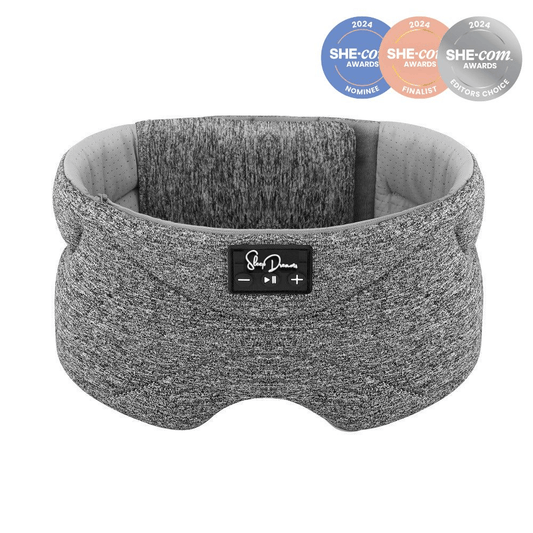
If you are looking to complement your exercise routine with a better evening wind-down, sleep headphones playing a guided cool-down or sleep meditation after your workout can help your body transition from active mode to rest mode. And our sleep calculator can help you align your exercise timing with your natural sleep cycles for maximum benefit.
"I started walking 30 minutes every morning before work and the change in my sleep has been unbelievable. I used to lie awake for an hour every night. Now I am out within fifteen minutes and sleeping through. The morning light combined with the movement has made everything click."
- David L., Wollongong ★★★★★
"I do yoga three evenings a week now and the improvement in my sleep quality is dramatic. I fall asleep faster, I wake up less, and my deep sleep has actually increased according to my tracker. It is the best free sleep aid I have found."
- Nina S., Adelaide ★★★★★