

How to Block Out Snoring and Finally Get Some Sleep
If you share a bed with someone who snores, you already know the frustration. The nudging, the pillow over the head, the retreating to the spare room at 3am. Snoring is one of the most common sleep disruptors in Australian households, and for the person lying awake listening to it, the impact on sleep quality, mood, and even relationships can be significant.
The good news is that there are practical, effective ways to block out snoring and reclaim your sleep. You do not have to choose between your relationship and a good night's rest.
Why Snoring Is So Disruptive
Snoring is not just an annoying noise. It tends to be irregular, with unpredictable variations in volume and rhythm that make it particularly difficult for your brain to tune out. Unlike steady background noise, the stop-start nature of snoring keeps your brain on alert, preventing you from settling into deeper, more restorative sleep stages.
Over time, the effects of chronic sleep disruption from a snoring partner can include daytime fatigue, difficulty concentrating, irritability, and increased stress. It can also lead to resentment and tension in the relationship, which further compounds the problem.

Effective Ways to Block Out Snoring
Different solutions work for different people, and you may find that a combination of approaches gives you the best results. Here are the most effective options to consider.
Sleep Headphones with White Noise or Calming Audio
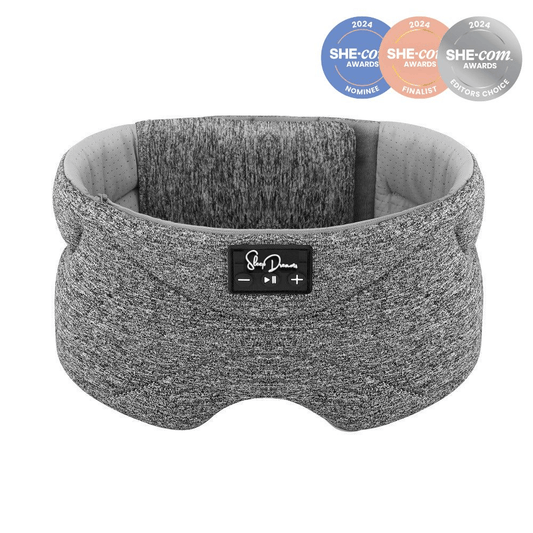
One of the most popular solutions for blocking out snoring is wearing sleep headphones that play white noise, pink noise, nature sounds, or gentle music. Unlike earplugs, which simply block sound, sleep headphones replace the snoring with something pleasant and consistent, giving your brain a steady audio signal to focus on instead of the irregular noise of snoring.
The key is choosing headphones designed specifically for sleep. Regular earbuds or over-ear headphones are uncomfortable to lie on, especially for side sleepers. Sleep headphones with ultra-thin speakers inside a soft headband sit flat against your ears and stay comfortable all night, even if you move around.
Earplugs
High-quality earplugs can significantly reduce the volume of snoring, making it easier to sleep through. Foam earplugs, silicone earplugs, and custom-moulded options are all available, and the right choice depends on your comfort preferences and how much noise reduction you need.
Earplugs work best for lighter snoring. If your partner is a heavy snorer, earplugs alone may not be enough, but they can be effective when combined with other strategies like white noise.
White Noise Machines
A white noise machine placed on your bedside table can help mask snoring by creating a consistent layer of background sound. The steady hum makes the peaks of snoring less jarring and easier for your brain to filter out. Many people find that white noise not only helps with snoring but improves their sleep quality overall.
Strategic Bedroom Layout
Sometimes simple adjustments can help. If possible, position your head as far from your partner's as practical. Using a larger bed, sleeping on opposite sides, or angling pillows can create a bit more distance and reduce the perceived volume of snoring.
Addressing the Snoring Itself
While blocking out the noise is an immediate and practical solution, it is also worth exploring whether the snoring can be reduced at its source.
Sleep Position
Snoring is often worse when sleeping on the back, as the tongue and soft tissues can fall backward and partially obstruct the airway. Encouraging your partner to sleep on their side can sometimes reduce snoring significantly. A body pillow or positional sleep aid can help them maintain a side-sleeping position.
Lifestyle Factors
Alcohol consumption, particularly in the evening, relaxes the throat muscles and can worsen snoring. Being overweight, especially carrying weight around the neck, is another common contributor. Smoking and nasal congestion can also play a role. Addressing these factors, where relevant, can sometimes reduce snoring considerably.
When to See a Doctor
If snoring is very loud, involves gasping or choking sounds, or if your partner experiences excessive daytime sleepiness, it may be a sign of obstructive sleep apnoea, a condition where breathing is repeatedly interrupted during sleep. This is a medical condition that benefits from professional diagnosis and treatment, so it is worth encouraging your partner to speak with their GP if any of these signs are present.
"My partner's snoring had me sleeping in the spare room most nights. It was awful for our relationship. I tried the SleepSoftly headphones with a white noise app and honestly, it changed everything. I can sleep through the night now, right next to him. Best purchase I have made in years."
- Sarah K., Adelaide
Having the Conversation
Talking to your partner about their snoring can be sensitive. Nobody wants to feel like they are the cause of a problem, especially something they cannot consciously control. Approaching the conversation with empathy and focusing on how you can solve the problem together, rather than placing blame, tends to get better results.
Many couples find that once they acknowledge the issue openly, they can work together on a solution that helps both of them sleep better. Often that solution is a combination of the snorer making some adjustments and the non-snorer using tools like sleep headphones or earplugs to manage the remaining noise.
If you are looking for a comfortable, effective way to manage the sound of snoring while protecting your sleep, our guide to snoring covers the topic in more depth and can help you find the right approach for your situation.
"I was so sleep-deprived from my husband's snoring that it was affecting my work and my patience with the kids. Earplugs helped a bit but the sleep headphones were the real game changer. I listen to rain sounds and I genuinely do not hear the snoring anymore. I feel like a new person."
- Rebecca J., Perth