Sleep Routine Series Introduction

Sleep Routine Series Introduction

Published:  |  Last Updated:
Sleep Routine Series Introduction

Why Your Nightly Routine Matters More Than You Think

Most of us follow some version of a nightly routine without giving it much thought. Brush teeth, set the alarm, scroll the phone for a bit, lights out. But the truth is, what you do in that window between dinner and sleep has an outsized effect on how quickly you fall asleep, how deeply you stay there, and how you feel when the alarm goes off.

The problem is rarely a single dramatic habit. It is usually a collection of small choices - the extra coffee at 3pm, the bright overhead light at 9pm, the phone on the pillow at 10pm - that quietly stack up against your body's natural drive toward rest. The encouraging part is that small changes in the other direction can stack up just as quickly.

What a Good Wind-Down Routine Actually Looks Like

There is no single perfect routine, but most sleep researchers agree on a handful of principles. Start winding down about 60 to 90 minutes before you want to be asleep. Lower the lights - your brain reads bright light as a signal to stay alert, so dimmer is genuinely better. Reduce stimulation, which for most of us means stepping away from screens or at least switching to something calm and low-stakes.

Beyond that, the specifics are personal. Some people find that a warm bath or shower about an hour before bed helps them relax. Others prefer gentle stretching, reading, or simply sitting with a cup of herbal tea. The key is consistency - doing roughly the same things in roughly the same order each night teaches your nervous system to recognise the pattern and start preparing for sleep automatically.

If you have been struggling with restless evenings, our relaxation for sleep collection brings together a range of products designed to support exactly this kind of intentional wind-down.

Learning From Other People's Routines

One of the most useful things you can do when trying to improve your own sleep habits is to hear what actually works for other people - not the polished advice from a textbook, but the real, lived experience of someone who struggled and found something that helped.

That is the idea behind our Sleep Routine Series. We talk to real people about what their evenings look like, what they have tried, what failed, and what finally made a difference. Some of the answers are surprising. A friend once introduced us to magnesium supplementation before bed, and the shift was noticeable within a few nights - falling asleep faster, waking less, and feeling more settled in the morning. It has since become a regular part of the evening at Sleep Dreams.

Small Changes That Come Up Again and Again

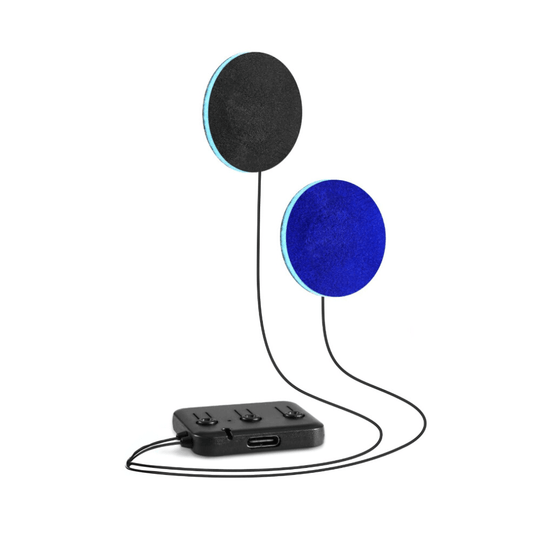
Across the conversations we have had, a few themes keep recurring. People mention the importance of keeping their bedroom cool and dark. They talk about finding something that physically signals the transition from day to night - whether that is changing into comfortable clothes, lighting a candle, or putting on sleep headphones with a calming playlist. And almost everyone who has improved their sleep mentions reducing screen time in some form, even if they have not eliminated it entirely.

The Routines That Tend to Backfire

Just as interesting are the patterns that people thought were helping but were actually getting in the way. Falling asleep with the television on is a common one - the noise might feel comforting, but the flickering light and unpredictable volume changes interrupt your sleep cycles throughout the night. Exercising too close to bedtime is another. A hard workout at 9pm can leave your body too wired to settle, even if you feel physically tired.

Building Your Own Routine

If you are starting from scratch, keep it simple. Choose two or three things that feel manageable and do them in the same order each night for at least two weeks before judging whether they are working. Sleep habits take time to settle in, and your body needs repetition to start recognising the pattern.

Our guide to starting a new sleep routine goes deeper into the practical steps, including how to figure out your ideal bedtime and what to do when your routine gets disrupted by travel or shift work.

The goal is not perfection. It is about creating a set of small, repeatable habits that tell your body the day is done and it is safe to rest. Most people find that once the routine clicks, sleep starts to feel less like something they are chasing and more like something that simply happens.

"I never had a routine before - just crashed whenever I was exhausted. Since I started dimming the lights at 8:30 and making a chamomile tea at the same time each night, I actually look forward to bedtime now. It sounds simple but it changed everything for me."

- Mel K., Adelaide ★★★★★

"The sleep headphones became my routine trigger. As soon as I put them on and start a sleep meditation, my brain knows it is time to wind down. My husband says I am asleep within ten minutes most nights now."

- Rachel D., Perth ★★★★★

Back to blog