What a Sleep Routine Actually Is (and Why It Works)
There is a difference between getting ready for bed and having a sleep routine. Brushing your teeth and putting on pyjamas are practical steps that get you into bed, but they are not doing much to signal to your brain that it is time to wind down. A genuine sleep routine is more deliberate than that - it is a repeatable sequence of calming actions that, over time, trains your nervous system to recognise that sleep is coming.
Research from the Sleep Health Foundation suggests that people with consistent pre-sleep routines fall asleep faster, experience fewer night wakings, and report better overall sleep quality. The reason is simple: your brain loves patterns. When it encounters the same sequence of low-stimulation cues each evening, it begins anticipating sleep and starts the physiological process of winding down before you even get under the covers.
How to Build a Routine From Scratch
Start With One Anchor Habit
The most common mistake is trying to overhaul your entire evening at once. A better approach is to choose one small, enjoyable action and commit to doing it at roughly the same time each night for two weeks. This could be making a cup of herbal tea, switching to dimmed lighting, putting on a calming sleep playlist through headphones, or spending ten minutes reading a physical book.
The key is that it should feel pleasant, not like a chore. If your routine feels like homework, you will not stick with it.
Add One Thing at a Time
Once your anchor habit feels automatic - and this usually takes about two weeks - layer on a second action. Maybe your anchor was tea at 9pm, and now you add turning off overhead lights at the same time. Then a third, like putting your phone on charge in another room. Each addition builds on what already feels natural, so the routine grows without feeling overwhelming.
Use Time-Based Cues
Setting a gentle alarm or reminder on your phone for the start of your wind-down window can be surprisingly effective, especially in the early days. It interrupts the autopilot of scrolling or watching television and gives you a concrete moment to begin the transition. Over time, you will not need the reminder - your body will start sending its own signals at that time.
What a Good Routine Might Look Like
There is no single right answer, but here is an example of a routine that covers the key principles - reduced stimulation, sensory cues, and a consistent sequence:
Around 60 to 90 minutes before bed, dim the lights throughout your home. Make a warm drink - chamomile, rooibos, or just warm water with lemon. Put your phone on charge in another room, or at least switch it to a sleep mode that blocks notifications. Spend 20 to 30 minutes doing something low-key: reading, gentle stretching, journaling, or listening to calming music. Then move to the bedroom, settle in, and let the routine do its work.
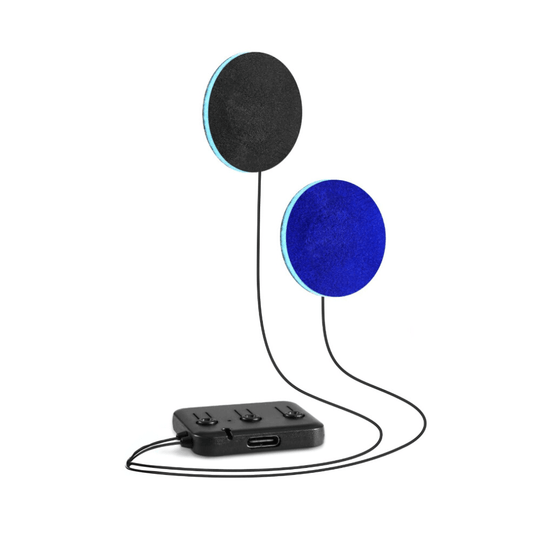
If you are someone who finds it hard to switch off mentally, adding a sensory element can help. A few drops of essential oil in a diffuser, the gentle weight of a good quality doona, or the soft pressure of sleep headphones playing a body scan meditation - these physical cues give your brain something calming to focus on instead of tomorrow's to-do list.
When Your Routine Gets Disrupted
Travel, illness, shift changes, newborns - life will interrupt your routine regularly. The important thing is not to treat a disruption as a failure. It is just a pause. When things settle, return to your anchor habit first and let the rest of the routine rebuild from there. Most people find they can re-establish their routine within a few nights if they do not overthink it.
If you are working irregular hours, our guide to shift worker sleep strategies covers specific approaches for building a routine around a non-standard schedule.
The Bigger Picture
A sleep routine is not about perfection. It is about giving your body and mind a reliable, repeatable path toward rest. The specifics matter less than the consistency. Whether your routine takes 15 minutes or an hour, whether it involves candles or cold water on your face, the point is the same: you are telling your nervous system, clearly and repeatedly, that the day is over and it is safe to sleep.
Start small. Be patient with yourself. And remember that the right tools can make the transition easier while your habits are still forming.
"I have never been a routine person but I forced myself to do the same three things each night for a month - lights down, tea, ten pages of a book. Now I genuinely look forward to it. My sleep has gone from broken and anxious to deep and consistent."
- Lauren B., Newcastle ★★★★★
"The one-habit-at-a-time approach was the thing that finally worked for me. I started with just putting lavender oil in the diffuser at 9pm. Two months later I have a full routine and my partner says I fall asleep in minutes now."
- Sam G., Melbourne ★★★★★