What to do when you can't seem to get comfortable sleeping when pregnant

What to do when you can't seem to get comfortable sleeping when pregnant

Published:  |  Last Updated:
What to do when you can't seem to get comfortable sleeping when pregnant

Why Sleep Becomes So Difficult During Pregnancy

If you are pregnant and struggling to sleep, you are in very familiar company. Studies suggest that up to 78% of pregnant women experience significant sleep disruption at some point during their pregnancy - and for many, it gets progressively harder as the weeks go on. Between the physical discomfort, the hormonal changes, the frequent trips to the bathroom, and the anxiety that naturally comes with growing a new human, sleep can start to feel like something that is happening to everyone except you.

The frustration is real, especially because this is exactly the time when your body needs rest the most. The good news is that there are practical things you can do to improve your comfort and your sleep quality, even when it feels like your body is working against you.

Finding a Comfortable Sleep Position

Why Side Sleeping Matters

From the second trimester onwards, most healthcare providers recommend sleeping on your side - particularly your left side. This position improves blood flow to the placenta and reduces pressure on major blood vessels. Sleeping on your back can cause the weight of the uterus to compress the vena cava, which can reduce blood flow and leave you feeling dizzy or nauseous.

If you have always been a back or stomach sleeper, this adjustment can feel awkward at first. A pillow between your knees helps align your hips and reduces lower back strain. Some women also find placing a small pillow under their belly provides extra support and stops the pulling sensation on the ligaments.

Pillow Positioning

The right pillow setup makes an enormous difference during pregnancy. A full-length body pillow can support your bump, your knees, and your back simultaneously. If you do not have one, you can create a similar effect with regular pillows - one between the knees, one under the belly, and one behind your back to prevent rolling.

Common Sleep Disruptors During Pregnancy

Frequent Bathroom Trips

As your baby grows and puts pressure on your bladder, nighttime bathroom visits become inevitable. You cannot eliminate them entirely, but you can reduce the frequency by limiting fluid intake in the two hours before bed while making sure you stay well hydrated during the day. When you do get up, keep the lights as low as possible - a small nightlight in the hallway and bathroom helps you navigate without triggering full wakefulness.

Heartburn and Reflux

Pregnancy hormones relax the valve between your stomach and oesophagus, making heartburn a common evening companion. Eating your last meal at least two to three hours before bed, avoiding spicy or acidic foods in the evening, and propping yourself up slightly with an extra pillow can all help reduce the burn.

Restless Legs and Leg Cramps

Many pregnant women experience restless legs syndrome or sudden calf cramps during the night. Gentle stretching before bed, staying well hydrated, and ensuring adequate magnesium intake can help reduce the frequency. A warm bath with magnesium flakes before bed is a popular remedy that many women find effective.

Anxiety and Racing Thoughts

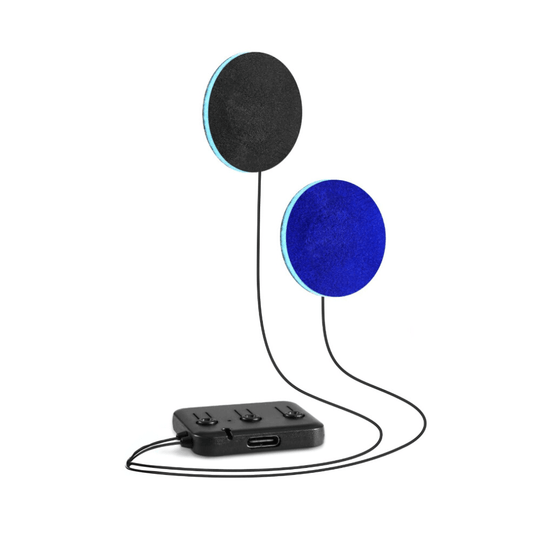
It is completely normal to feel anxious during pregnancy - about the birth, about becoming a parent, about health, about everything. When these thoughts ramp up at bedtime, they can make it impossible to fall asleep. A consistent wind-down routine helps, as does writing your worries in a notebook before bed to get them out of your head. Gentle breathing exercises or calming audio through sleep headphones can also help quiet the mental chatter.

Building an Evening Routine That Works

A predictable evening routine is even more valuable during pregnancy than usual. Your body is under enormous physical and hormonal stress, and giving it clear, consistent signals that rest is coming helps it transition more smoothly. A warm bath, some gentle stretching, a cup of caffeine-free tea, and 20 minutes of reading in low light is a simple sequence that many pregnant women find effective.

If noise is an issue - whether from a partner, street sounds, or just the heightened sensitivity that pregnancy can bring - consider earplugs or sleep headphones playing something gentle. White noise or nature sounds are popular choices, and the steady background audio can mask the disturbances that would otherwise pull you out of light sleep.

When to Talk to Your Midwife or Doctor

Some degree of sleep disruption during pregnancy is normal and expected. But if you are consistently unable to sleep, experiencing very loud or frequent snoring (which can indicate sleep apnoea), or feeling extremely fatigued during the day despite time in bed, it is worth raising with your healthcare provider. Sleep apnoea in particular is more common during pregnancy than many people realise and can affect both maternal and baby health if left unaddressed.

For more targeted support, our pregnancy sleep collection has products chosen specifically for the challenges that come with sleeping for two. And if you are looking for broader sleep improvement ideas, our sleep calculator can help you work out the best bedtime for the amount of rest your body needs right now.

"I am 34 weeks and the sleep headphones have been my saving grace. I play rain sounds and it blocks out my partner's snoring and the street noise. Combined with a pillow between my knees, I am actually getting decent sleep again for the first time in months."

- Emma L., Perth ★★★★★

"The magnesium bath tip changed everything for my leg cramps. I was waking up three or four times a night with calf cramps and now I barely get them. I wish I had known about this in my first pregnancy."

- Mel R., Sydney ★★★★★

Back to blog