



-
12%
-
-
Sold out
-
Sold out
-
Sold out
-
Additional Speakers for Deluxe Sleep Headphones
Vendor:Sleep Dreams Online$19.99


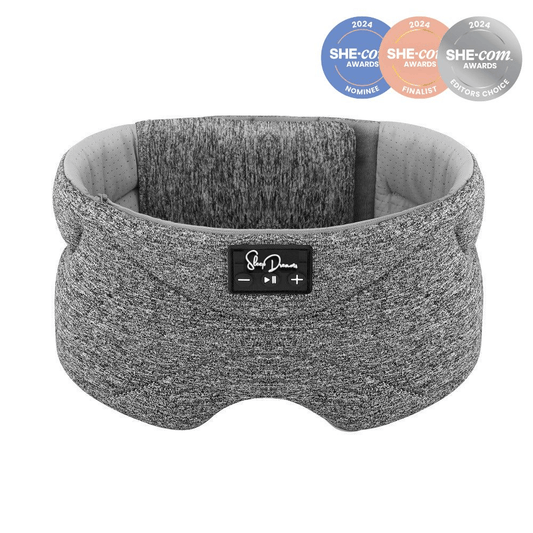

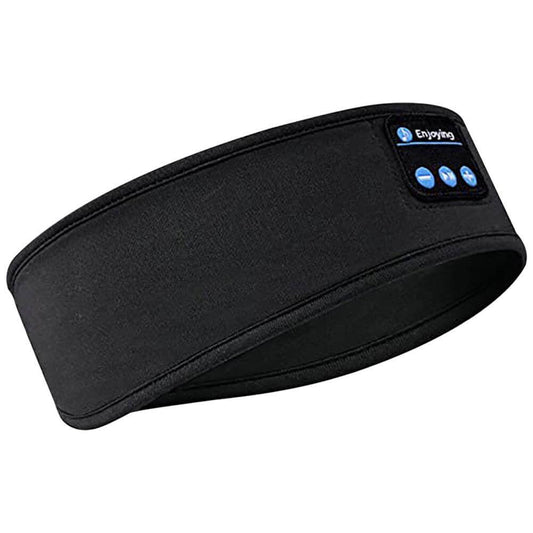
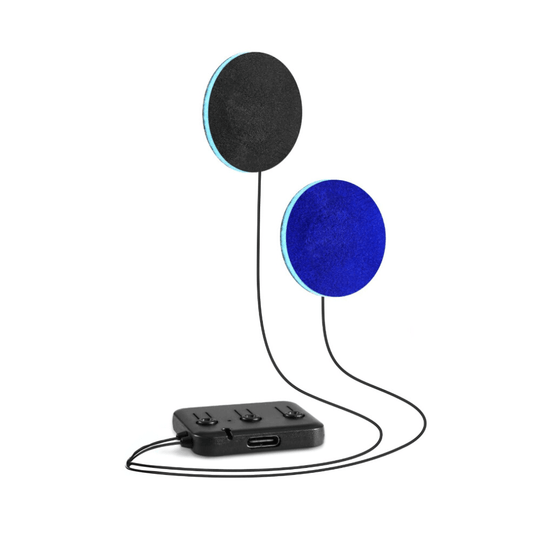
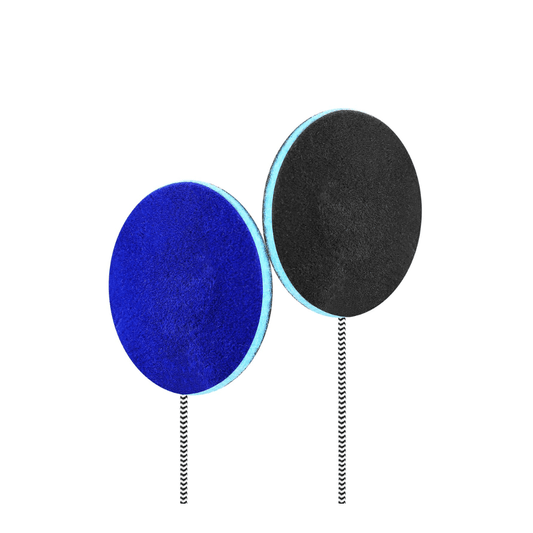
The Truth About Sleep Headphones
Sleep headphones aren’t about perfect silence or fixing sleep. They’re about making the night feel a little quieter, more contained, and easier to settle into.
If you’ve ever tried falling asleep with regular headphones, you’ll know they’re rarely designed for rest. Hard earbuds, bulky shapes and loose cords tend to pull you back into awareness just as you’re trying to drift off.
Sleep headphones are different by design. They’re made to sit softly against the head, disappear into the background, and support the way people actually rest.
What makes them so valuable is the experience they create:
- They reduce distraction, helping outside noise fade into the background
- They feel comfortable lying down, including for side sleepers
- They allow personal audio, without filling the room or disturbing others
- They support wind-down rituals, whether that’s white noise, music, stories or familiar voices
At their best, sleep headphones don’t demand attention. They simply hold a pocket of calm while the day lets go - and then quietly step out of the way once sleep arrives.
Which Sleep Headphones Are Right for You?
At first glance, many sleep headphones can look similar. A band, some speakers, a low price. But the difference is in how they’re made, how they feel night after night, and how long they last once the novelty wears off.
Our sleep headphones aren’t designed to win on price. They’re designed to hold up to real sleep.
Over the past four years, we’ve refined every detail based on real feedback from our community. From speaker placement to fabric softness, fit, durability and sound quality, each version has been tested, adjusted and improved before ever reaching your bedside.
Our headphones are built for people who care about how their night feels. When you choose them, you’re not just buying a product. You’re joining a community that values rest, comfort and small nightly rituals done well.

|
|
|
|
|---|---|---|---|
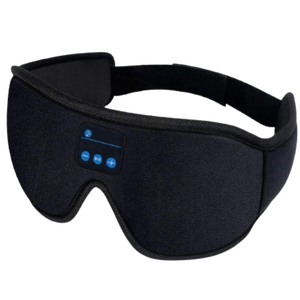
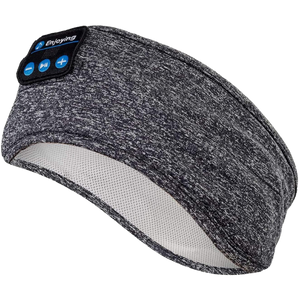
| Bluetooth Speakers | |||
| Suitable for back sleepers | |||
| Suitable for side sleepers | |||
| Adjustable Straps | |||
| 100% Light Blocking | |||
| Ultra Thin 4mm Speakers | |||
| Heat or Cool Pack Pocket | |||
| Ultra High Quality Audio |

Is it ok to sleep with headphones on?
Yes. When they’re designed specifically for sleep, sleep headphones are made to be worn comfortably through the night.
Unlike traditional earbuds or over ear headphones, sleep headphones are built into soft fabric masks or headbands. They rest gently against the head, rather than sitting inside the ear or pressing heavily against it. This makes them a more comfortable option for lying down, especially for side sleepers.
Because they’re designed for rest, they stay snug without blocking breathing or feeling restrictive. The sound feels close and contained, without the bulk or pressure of everyday headphones.
Many styles also include timer options, so audio can fade out once you’ve drifted off. That way, the night stays quiet without anything playing on longer than you need.
In short, sleep headphones offer a gentle, low-effort way to enjoy calming sound and a quieter night, without disrupting comfort or rest.
From The Blog
-

Which Apps, Podcasts & Sounds are best for sleep?
Read ArticleIf you’ve recently welcomed sleep headphones into your nightly routine, you may be wondering what to listen to once the lights go out. From gentle sounds to soothing stories and trusted apps, read on for a few thoughtful suggestions to help the night unfold more softly.
-

Ultimate Buyer's Guide to Sleep Headphones
Read GuideWhether you’re discovering sleep headphones for the first time or refining a ritual you already love, this guide is here to help. We gently unpack how each feature feels in use and how it can support a quieter, more comfortable wind-down and a better night’s rest.
-

20 Creative Ways To Use Your Sleep Headphones
Read ArticleThis article explores the many creative and unexpected ways people use sleep headphones, both in and beyond the bedroom. From easing noise sensitivity and anxiety to supporting travel, recovery and everyday calm, it highlights how they can become a personal tool for comfort, focus and emotional ease - wherever life feels a little too loud.


Frequently Asked Questions
What are sleep headphones?
What are sleep headphones?
Sleep headphones are soft, fabric-based headphones designed to be worn comfortably while resting or sleeping. They let you listen to calming audio without hard earbuds or loose wires.
Are sleep headphones wireless?
Are sleep headphones wireless?
Yes. All of our sleep headphones connect via Bluetooth, so there are no cords to wrap around you while you relax or sleep.
What kind of audio do people usually listen to?
What kind of audio do people usually listen to?
Many people choose white noise, nature sounds, sleep stories, podcasts or quiet music. Others simply enjoy having familiar audio playing softly in the background as the day fades out.
Are sleep headphones safe to wear overnight?
Are sleep headphones safe to wear overnight?
Yes, when used at a comfortable, low volume. They are designed to feel soft, breathable and unobtrusive during rest.
Are they comfortable for side sleepers?
Are they comfortable for side sleepers?
Yes. Our sleep headphones are designed with flat, low profile speakers that sit gently against the head, making them suitable for side sleeping as well as back sleeping.
Will I feel the speakers while I sleep?
Will I feel the speakers while I sleep?
Most people do not feel the speakers themselves, as they are flat and sit softly within the fabric. If anything takes a little getting used to, it is simply wearing a fabric band to bed, and for some people the small control panel at the front may be noticeable if they rest their forehead directly on the pillow but most don't.
Do sleep headphones block out noise completely?
Do sleep headphones block out noise completely?
No, they don’t block noise entirely. Instead, they help muffle background sounds, and when paired with steady audio like white noise or gentle music, many people find outside noise becomes much less noticeable and easier to sleep through.
Do sleep headphones have a timer or auto off feature?
Do sleep headphones have a timer or auto off feature?
The Deluxe Sleep Headphones include a built in timer. For other variations, most people use the timer settings on their phone or audio app, allowing the sound to fade out naturally once you have drifted off.
How do I clean them?
How do I clean them?
The electronic components are removable. Once removed, the fabric can be gently hand washed in cold water and left to air dry.
What if sleep headphones are not right for me?
What if sleep headphones are not right for me?
Sleep looks different for everyone. Some people prefer a white noise machine, a bedside speaker or earplugs instead. We offer a 30 day return period so you can try them at home and decide what feels right for you.
Indulge Yourself In
-
Deluxe Sleep Headphones - Bluetooth Sleep Mask
$69.99$79.9912% -

 SAVE 20%
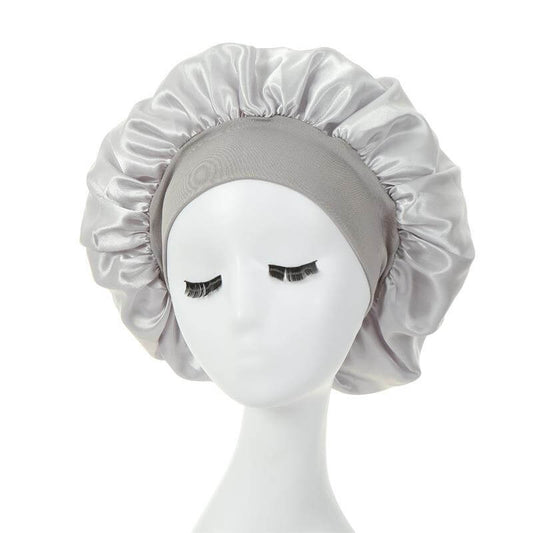
Satinett™ - Satin Sleeping Cap
$19.99$24.9920%









Shop by Collection
-

Sleep Headphones
Sleep headphones are designed to help the night feel quieter and more...
-

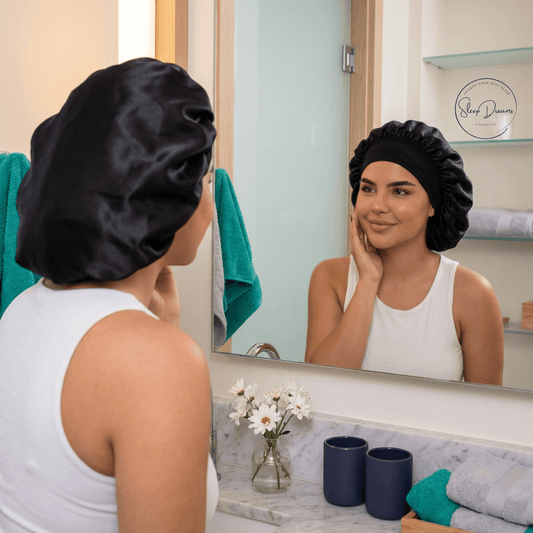
Hair Bonnets
Think of a hair bonnet as skincare for your hair – working...


